BACK

Why VRV/F Systems Fail: Bad Sensors, Poor Maintenance & Transformers

Why do VRV/F systems fail, and where should you start on a service call for equipment you haven’t worked on much? In this video, our techs walk through how they approach VRV and VRF troubleshooting in the field. They cover everything from the first conversation on site to the point where you pick up the phone for backup.
youtube placeholder image

The main advice is to start simple. These systems are more complicated than a standard split system, but they still work like every other AC. In the techs’ experience, most calls come down to bad sensors, not a worst-case failure. Before you assume the compressor or the board is gone, check the simple stuff first.

What we cover:

  • Talking to the maintenance supervisor first: system history, when the issue started, and any parts replaced recently
  • Why sensors are the most common culprit on VRV/F service calls
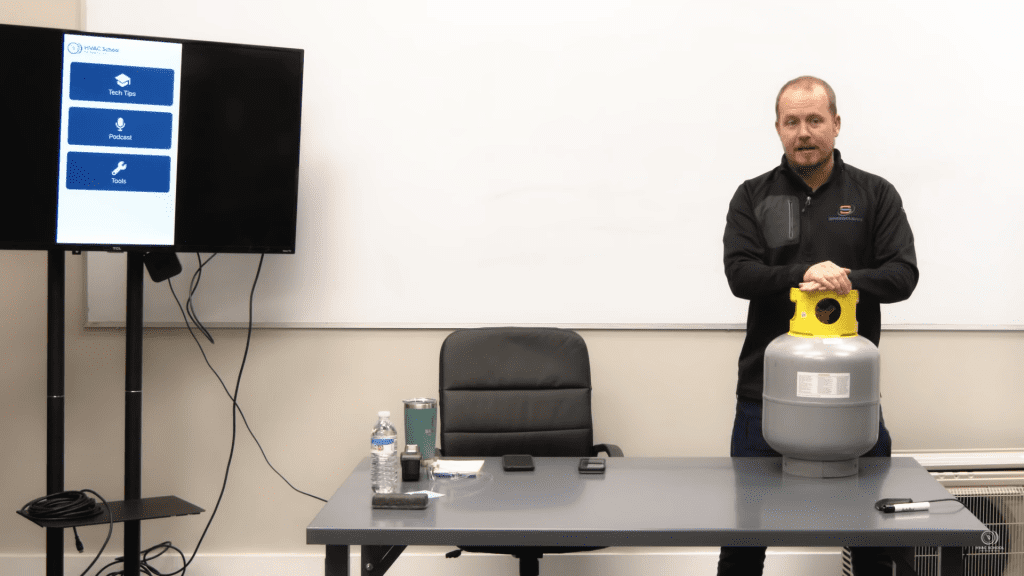
  • Using the Tech Hub app to look up service manuals and error code descriptions
  • What to have ready before you call for support: system info, error history, and panels already off
  • A real call where two failed transformers above the drop ceiling took out the thermostats
  • A central controller that resets every thermostat when guests leave the room
  • A rule of thumb: if every indoor unit on one condenser has the same problem, look at the condenser
  • Why poor maintenance and aging equipment keep many systems running “within range” rather than perfect
  • How in-house maintenance staff doing their own repairs can throw off your diagnosis


New startups often run perfectly. Systems that have aged with poor maintenance are a different story. Knowing why these systems fail, and arriving prepared, can save you and your support team time on every call.

Comments

Most popular videos

view all

To continue you need to agree to our terms.

The HVAC School site, podcast, and tech tips are
made possible by generous support from