
Leak Detection Best Practices
Make & share a podcast clip
Keep the exact passage and a link to the full episode. Choose up to three minutes, with enough context to be fair to the speaker.
Preview uses this episode’s audio. Browser audio export, when supported, takes the length of the selected clip. Nothing plays until you choose Preview.
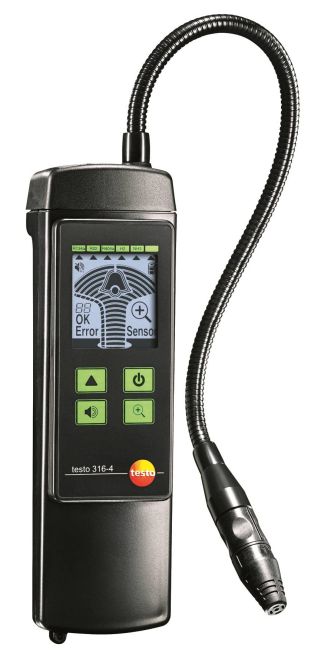
In this episode, Bryan and Bert talk about properly stripping cables and leak detection best practices. Bert is a senior technician and self-proclaimed leak detection expert.
As a slight aside, Bert CAN’T STAND when technicians strip wires. Basically, his advice is NOT to cut around the wires or use a razor knife.
Leak detection starts when you walk up to a unit and confirm that the unit is low on refrigerant. Typically, you hook up gauges and check the five pillars. You will particularly check for low superheat and high subcool. However, your senses are also important during the confirmation process. Use your eyes before even grabbing a leak detector. You can typically spot corrosion on the line set, coil, or pipe fittings. Then, you can perform a bubble test to confirm the leak without a tool.
Bert starts with coil and checks for oil spots. He then feels brazing joints for oil (even though that sounds a little suspicious). Most importantly, if Bert suspects a leak, he does his bubble test BEFORE pulling out the electronic leak detector.
When Bert uses the leak detector, he turns it on and lets it stabilize for a little bit. He starts LOWER on the coil to get a hit and starts HIGHER to pinpoint the leak. And NEVER put your probe in water!
New coils can be tricky. Although they CAN leak, it’s improbable. If your leak detector gets a hit on a brand new evaporator coil, it could be caused by the chase. You MUST confirm that the leak is on the coil; it’s not good enough to say that there is a leak without knowing exactly where the leak is coming from.
As always, if you have an iPhone, subscribe HERE, and if you have an Android phone, subscribe HERE.
Highlight a short passage, or bring a question about a specific moment into HVAC No Bull Forum.
Discuss this reference → Related forum discussionsAuthor:












Comments
To leave a comment, you need to log in.
Log In