
Hard Shut Off TXVs w/ Jamie Kitchen (Podcast)
Make & share a podcast clip
Keep the exact passage and a link to the full episode. Choose up to three minutes, with enough context to be fair to the speaker.
Preview uses this episode’s audio. Browser audio export, when supported, takes the length of the selected clip. Nothing plays until you choose Preview.
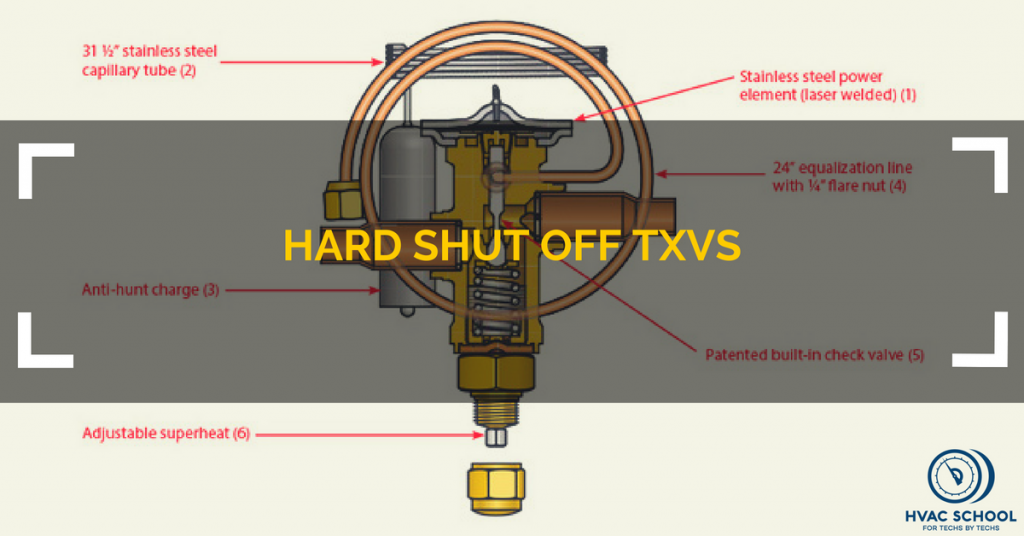
Jamie Kitchen returns to the podcast and talks all about hard shut off TXVs/TEVs. He discusses bleed and non-bleed valves and why the TXV type matters to your compressor.
When it comes to TXVs, there are two main types: bleed and non-bleed. The former may be referred to as a bleed TXV, and the latter may simply be called a TXV. However, OEMs may refer to TXVs as a “hard shut off TXV” (HSO), which is a non-bleed TXV.
The core difference between bleed and non-bleed TXVs is the equalization speed. That equalization speed affects how your compressor runs; equalizing the system reduces the pressure differential that the compressor will have to overcome on startup. Non-bleed/hard shut off TXVs may cause the compressor to draw locked rotor amps because the pressures did not equalize. To mitigate that issue, you can put in a start cap and relay on the compressor or replace the valve with a bleed TXV.
The main purpose of hard shut off TXVs is to prevent refrigerant migration and flooded starts when the system is off. The non-bleed TXV does not permit equalization, which builds pressure and but keeps refrigerant in the condenser, not the evaporator. Although the compressor will have to overcome more pressure upon startup, it will be less likely to fail due to a flooded start. However, some manufacturers may recommend using a hard start kit to overcome that pressure if you use a hard shut off TXV (even on scroll compressors!).
Jamie and Bryan also discuss:
- Non-bleed TXVs on scroll compressors
- Pressure rising and falling throughout the system
- Opening/closing forces
- Superheat spring
- Liquid refrigerant migration
- Shutting off the suction line vs. using a liquid line solenoid valve
- Proper equipment sizing and short-cycling
- Charging with bleed vs. non-bleed TXVs
- Energy benefits
Learn more about Refrigeration Technologies HERE.
Highlight a short passage, or bring a question about a specific moment into HVAC No Bull Forum.
Discuss this reference → Related forum discussionsAuthor:











Comments
To leave a comment, you need to log in.
Log In