
PCO Air Purification with Jon Bennert (Podcast)
Make & share a podcast clip
Keep the exact passage and a link to the full episode. Choose up to three minutes, with enough context to be fair to the speaker.
Preview uses this episode’s audio. Browser audio export, when supported, takes the length of the selected clip. Nothing plays until you choose Preview.
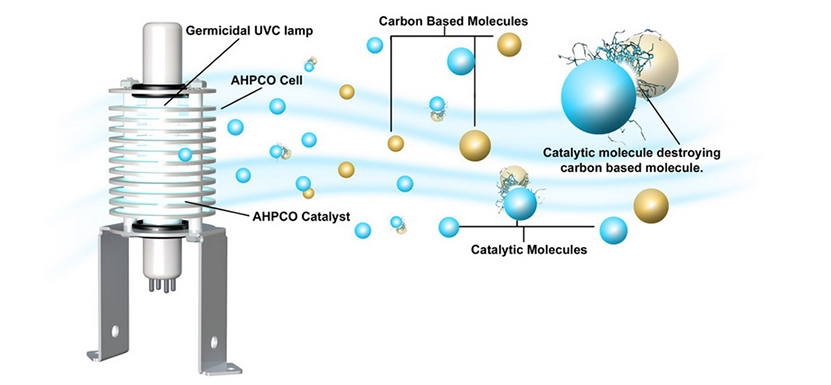
In today’s podcast, Jon Bennert with Air Oasis talks about photo-catalytic oxidation (PCO) air purification. He explains how it works and what it does.
The NANO products are PCO-type technologies. These technologies were initially developed for NASA storage systems on the International Space Station. Photo-catalytic oxidation (PCO) products work to reduce or sterilize pollutants or organisms in the air by using light. Sunlight produces UV rays that can kill nasty germs in the air; PCO products work similarly and may have UV lamps or not. (NANO units use UV lighting.)
The UV isn’t all that effective by itself. However, UV light can produce pollutant-fighting ions when the UV hits the coating within the air purifier. These ions are typically hydroxyl ions, which are more effective than ozone but don’t last very long. So, PCO products are most effective when they have a large surface area with the catalyst.
You can get all sorts of bacteria, yeast, and fungi inside a home. Humidity will usually only make those worse. Not to mention, you also have VOCs from cleaners and building materials, which may smell nice but greatly reduce your air quality. Humans also create plenty of pollution through humidity and dead skin cells. Air purifiers can help you deal with all of these air quality reducers. The NANO is unique, as it can run only when the fan is on and reduce ozone byproducts in your ductwork.
Bryan and Jon also cover:
- UV lighting in the ductwork
- Simple organisms vs. complex organisms and defense mechanisms
- Ozone and ozone-generating equipment
- PCO byproducts and efforts to reduce those
- NANO sizing
- How Air Oasis tests the product’s cycles
- NANO vs. competitors
- Improvements to the NANO over time
- How techs can recommend and sell IAQ products more effectively
- Air quality testing
Find out more about Air Oasis at airoasis.com.
Check out Refrigeration Technologies HERE.
If you have an iPhone, subscribe to the podcast HERE, and if you have an Android phone, subscribe HERE.
Highlight a short passage, or bring a question about a specific moment into HVAC No Bull Forum.
Discuss this reference → Related forum discussionsAuthor:










Comments
To leave a comment, you need to log in.
Log In