
Short 17 – MicroChannel (Podcast)
Make & share a podcast clip
Keep the exact passage and a link to the full episode. Choose up to three minutes, with enough context to be fair to the speaker.
Preview uses this episode’s audio. Browser audio export, when supported, takes the length of the selected clip. Nothing plays until you choose Preview.
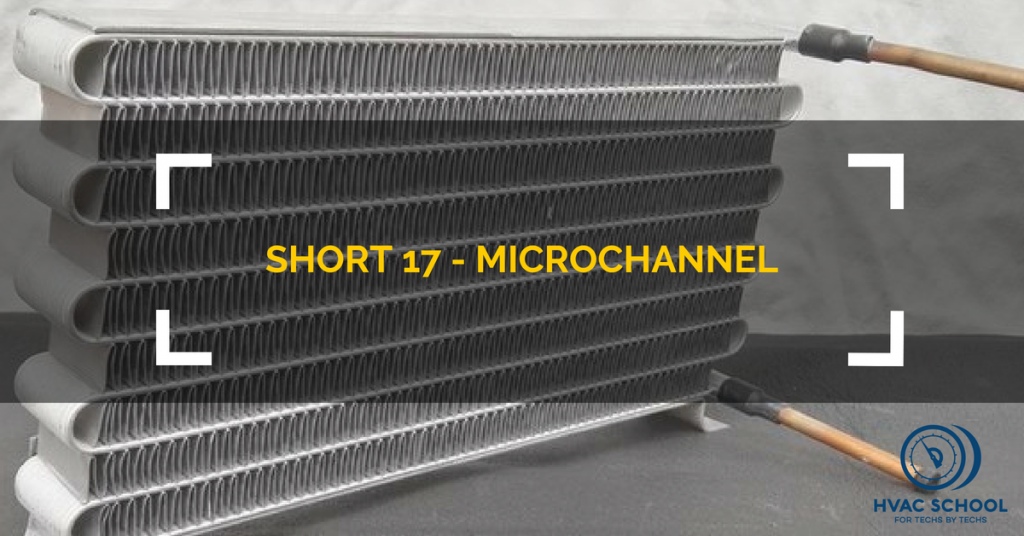
Bryan talks about MicroChannel coils, what issues could happen with them, and what the best practice is to clean them.
MicroChannel coils are kind of like car radiators; they have a small, honeycomb-like channel, and the sections that go between the crisscross fins carry refrigerant from the front surface to the back surface. These coils have a bit of a bad reputation. The refrigerant flows close to the surface of the coil. When the MicroChannel suffers damage, these coils can leak much more easily than other tube-and-fin coils. The channel is also more likely to be exposed to the elements and cleaners, where they can suffer from corrosion. Both alkaline and acid cleaners can cause corrosion on these coils.
The manufacturers usually advise against using a cleaner. However, we know that not using cleaners can be unrealistic. When you need to clean MicroChannel coils, you should use a cleaner that is not heavily alkaline (and certainly NOT acidic!). Refrigeration Technologies’ Viper cleaner is an excellent product for cleaning coils without causing damage.
These small coils also hold less refrigerant than other coils. You have less flexibility with the charge, and the charge is so much more critical. A seemingly insignificant charge deviation on a normal system will have a greater impact on a system with these coils. You also have to use a chart to determine your subcooling on a spectrum to set your charge; the subcooling is not a fixed value. If you have MicroChannel coils shipped in, they may also not come with their full charge because they simply can’t fit the refrigerant. Pump down is also dangerous in these coils. You can build up too much pressure and cause the coil to burst.
Learn more about Refrigeration Technologies HERE.
If you have an iPhone, subscribe to the podcast HERE, and if you have an Android phone, subscribe HERE.
Highlight a short passage, or bring a question about a specific moment into HVAC No Bull Forum.
Discuss this reference → Related forum discussionsAuthor:











Comments
To leave a comment, you need to log in.
Log In