
BACK

Avoid Compressor Failure: Refrigeration Circuit and Vacuum Mistakes

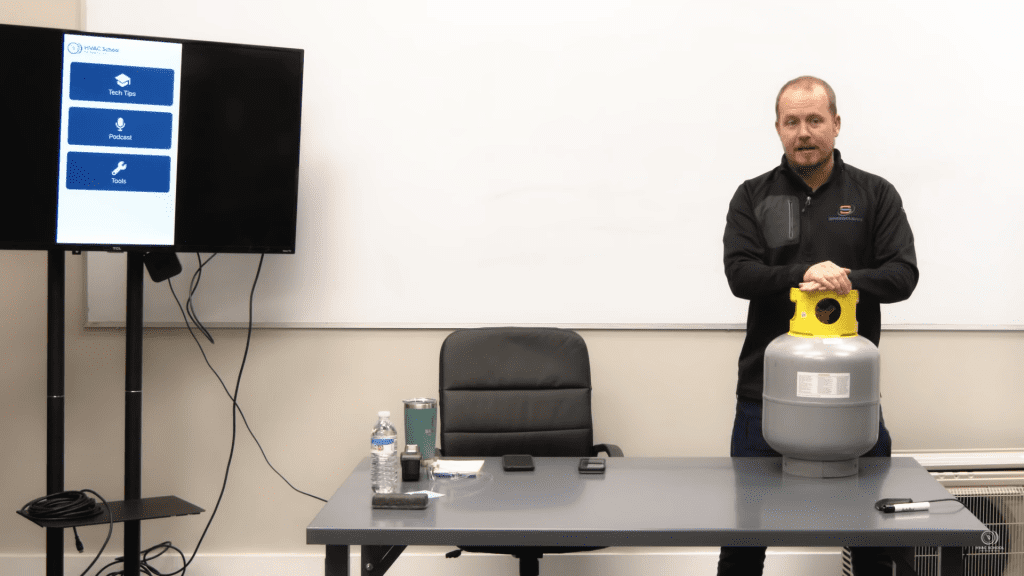
Most compressor failures don’t start at the compressor. They start with techs not fully understanding the refrigeration circuit, and with shortcuts taken during install. In this training session, Ty Branaman walks through the circuit from the compressor all the way around and back, and shows how small mistakes in sizing, charging, and evacuation lead to big problems later.
youtube placeholder image

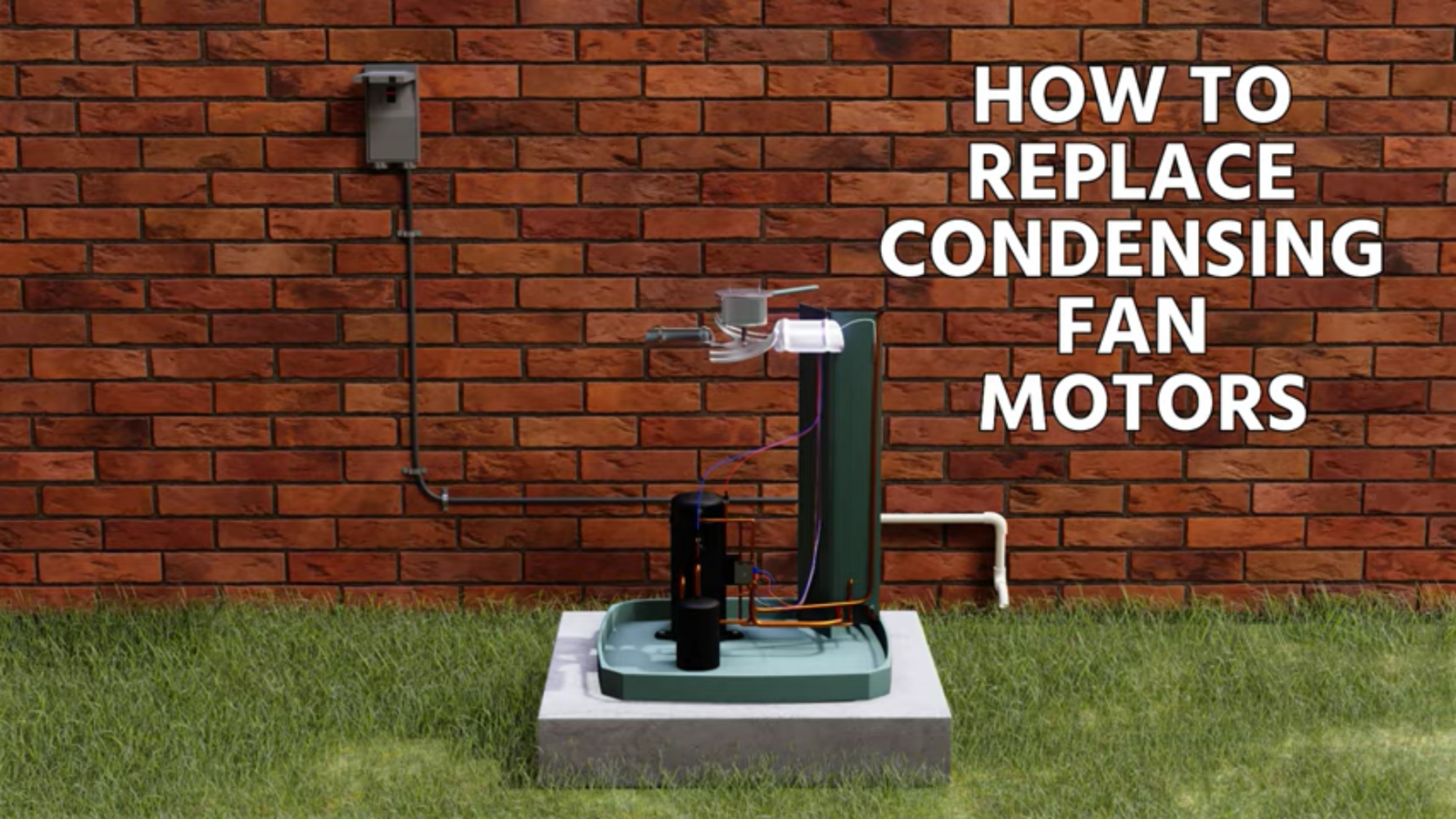
Ty opens with a real service call. A tech was sure he had a restriction because he couldn’t blow nitrogen backward through the outdoor unit. He replaced the entire condensing unit and ended up with the same issue. The compressor only flows one way, and not knowing that cost a whole unit. To avoid that kind of misdiagnosis, Ty goes back to basics: what the compressor does to the refrigerant, where the condenser rejects most of its heat, why the metering device needs a full column of liquid, and how the refrigerant gains superheat in the evaporator coil.

From there, the session covers the line set decisions that affect compressor life. An oversized suction line drops refrigerant velocity and stops oil from returning to the compressor. Line sets run underground can cause refrigerant migration and flooded starts. Ty also why manufacturers disagree on suction line slope and why your subcooling target depends on line size and length.

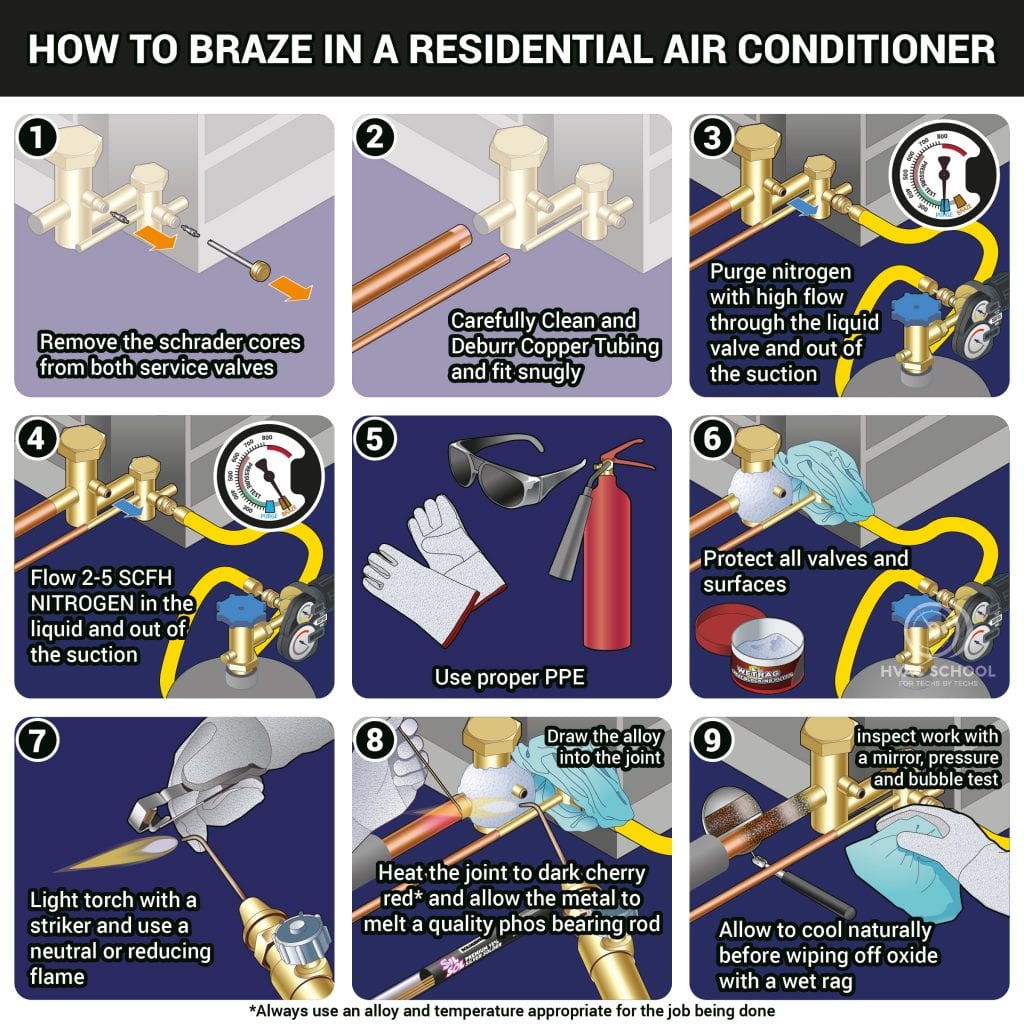
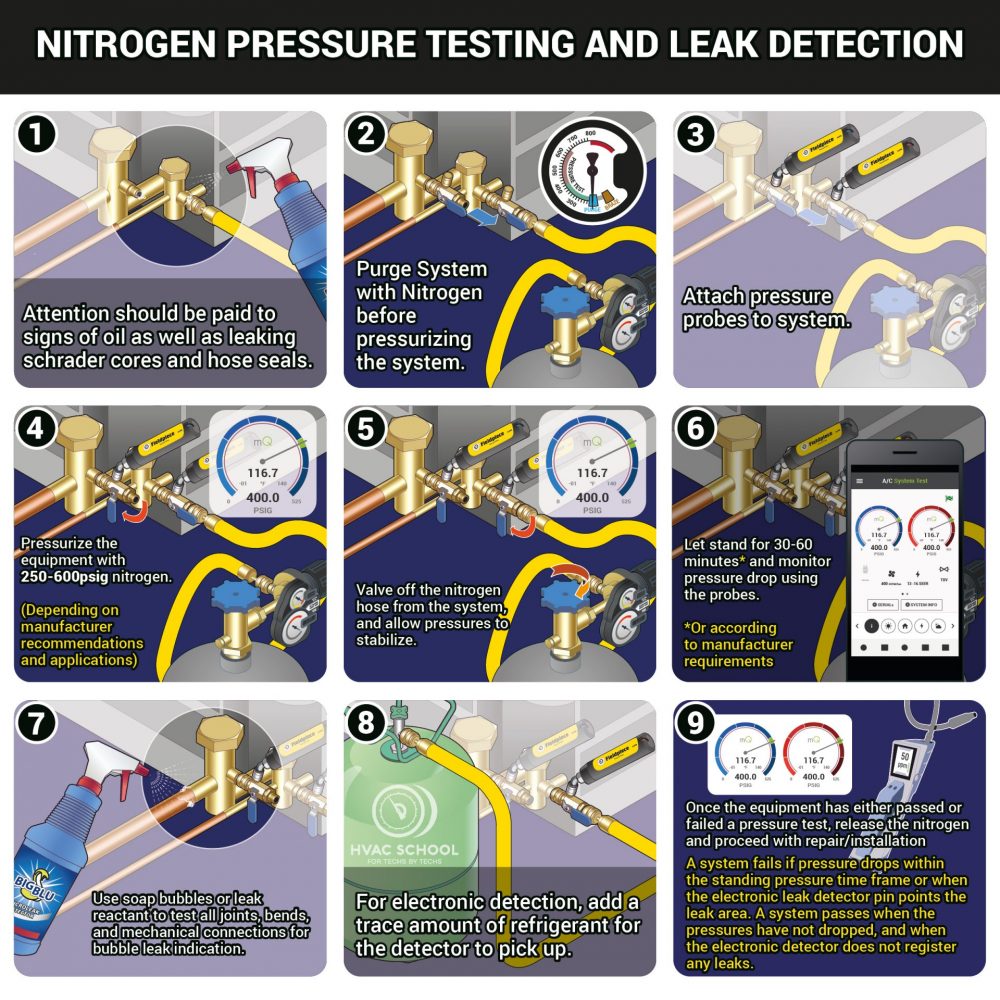
The second half focuses on vacuum and charging mistakes you can’t undo. Ty covers which service valve to open first, why you should open them slowly to protect the TXV pin, and the best way to break a vacuum with refrigerant without letting contamination back in. He also explains why removing a valve core while under vacuum wastes the whole evacuation, and how charging liquid into the suction side can lock up a compressor on startup. Moisture that gets past a poor vacuum reacts with POE oil and forms acid, and that leads to callbacks, clogged metering devices, and early failure. You can fix airflow and leaks later, but you can’t fix a bad vacuum later.

Comments

Most popular videos

view all

To continue you need to agree to our terms.

The HVAC School site, podcast, and tech tips are
made possible by generous support from