
Performing a Chiller Startup w/ Jeff Neiman Podcast
Make & share a podcast clip
Keep the exact passage and a link to the full episode. Choose up to three minutes, with enough context to be fair to the speaker.
Preview uses this episode’s audio. Browser audio export, when supported, takes the length of the selected clip. Nothing plays until you choose Preview.
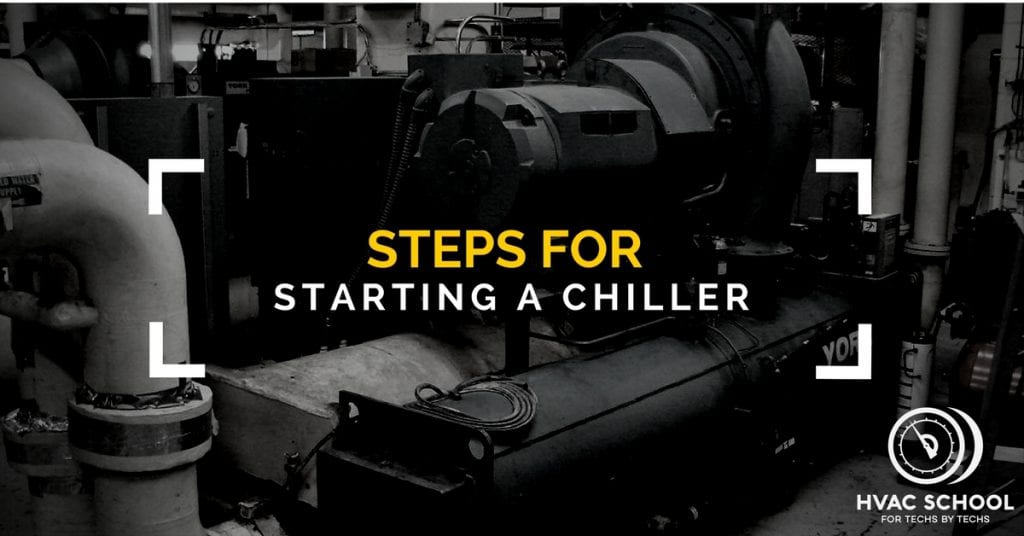
In this podcast, Jeff Neiman shares an overview of his chiller startup procedure and some things he looks out for when starting a chiller after the initial chiller installation. The actual chiller startup is typically the factory’s responsibility (per the manufacturer); however, the “startup” that we’re talking about refers to the installation and early maintenance.
The first step is preparation. Neiman recommends having a copy of the installation manual and reading it beforehand. You should also have a “request for startup” or pre-commission checklist. You also want to make sure there is water in the system before starting up a chiller. Technical datasheets are also useful to have on hand.
Once you get to the job site, inspection will be your main job. You can look for dents in the coils and other signs of damage from shipping or mishandling. Review the installation location. Make sure there is proper clearance around the chiller. As with other HVAC units, liquid in the compressor is catastrophic. So, make sure that the screw compressor is warm and liquid-free. Although centrifugal chillers have separate oil systems, heat is also important in those chillers because it warms the bearings.
Next, you can open up the panel and check the power. Perform a voltage imbalance calculation to make sure your voltage is satisfactory. Check for proper wire sizing and the number of conductors. Check that the piping has been done properly for the flow direction. The condenser fan has set screws, and it would be wise to verify their tightness.
Then, you check your water flow to make sure it fits all the correct parameters on your technical datasheets. Check the valves, flow, and pressures as specified.
If you have an iPhone, subscribe to the podcast HERE, and if you have an Android phone, subscribe HERE.
Highlight a short passage, or bring a question about a specific moment into HVAC No Bull Forum.
Discuss this reference → Related forum discussionsAuthor:











Comments
To leave a comment, you need to log in.
Log In