
Electrical Circuits Class (Podcast)
Make & share a podcast clip
Keep the exact passage and a link to the full episode. Choose up to three minutes, with enough context to be fair to the speaker.
Preview uses this episode’s audio. Browser audio export, when supported, takes the length of the selected clip. Nothing plays until you choose Preview.
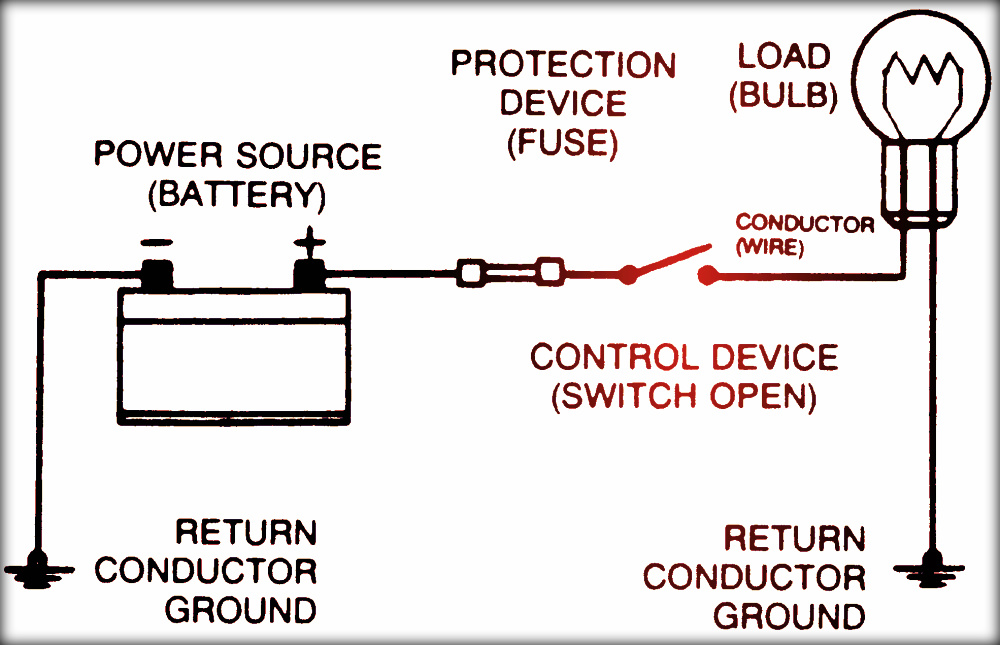
This podcast episode on electrical circuits is a class recording. In it, Bryan discusses transformers, ground, common, and line vs. load sides of a circuit.
Transformers use induction to pass alternating current signals to electrical appliances. Alternating currents (AC circuits) are tricky because the current switches direction each time. Therefore, the current flow is difficult to visualize because the direction keeps changing. Electrons naturally want to go to the other side of the transformer, not to ground. So, we have to connect both sides of the transformer to ground to send electrons to ground. (In this case, ground refers to the metal body of equipment, not the earth.)
A “short” is an undesigned path, typically taken at high current due to low resistance. The high current can blow fuses and cause equipment failure. Therefore, we connect to ground to prevent that high current from taking paths that will cause equipment failure.
The part of the circuit that we call “hot” is on the line side of the switch. That part is the line that goes into the switch. The part of the line that leads from the switch to the load is called the load side. After the load, we have “common” or “neutral.” When common is connected to ground, it will be electrically the same as ground. However, it’s worth noting that “common” can mean several different things in electrical. (Typically, we call common “L2” in high-voltage circuits with multiple phases, “neutral” in 120v circuits, and “common” in low-voltage circuits.)
Bryan also discusses:
- The downsides of memorizing wire colors for making connections
- “Common” misconceptions
- Switch types in electrical circuits
- Thinking of connections as a switch and load
- Various terminals and wires
Highlight a short passage, or bring a question about a specific moment into HVAC No Bull Forum.
Discuss this reference → Related forum discussionsAuthor:











Comments
To leave a comment, you need to log in.
Log In