
Humidity Talk w/ Johnathan Jones (Podcast)
Make & share a podcast clip
Keep the exact passage and a link to the full episode. Choose up to three minutes, with enough context to be fair to the speaker.
Preview uses this episode’s audio. Browser audio export, when supported, takes the length of the selected clip. Nothing plays until you choose Preview.
In today’s podcast episode, Johnathan Jones from Clean Comfort, Ultra-Aire, and Therma-Stor talks to us about humidity, dehumidification, and ventilation.
Relative humidity (RH) is a moisture content ratio that depends on temperature. Hotter air can hold more moisture, and colder air can contain less moisture. You can increase or decrease the temperature to change the relative humidity, but the dew point stays the same. The safest humidity range is between 40-60%. It is typically harder to add humidity to an arid place than to remove humidity from a tropical place.
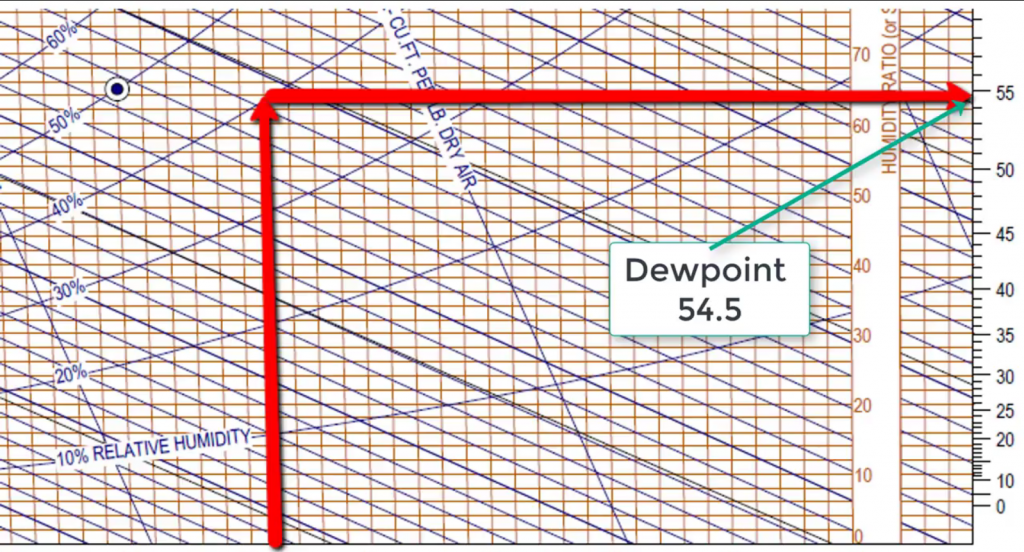
We work to control the dew point (keeping it below 55 degrees). When we keep our indoor temperatures well above the dew point, we don’t have to deal with condensation and moisture, which leads to microbial growth. We encounter two conflicting schools of thought: reduce the fan speed to control humidity or raise the fan speed to keep the ducts warm enough to prevent “growth.” However, a dedicated dehumidifier takes care of the space without requiring fan speed changes.
A lot of indoor moisture comes from our bodies, such as by breathing and talking. Local ventilation, especially during cooking and showering, helps reduce moisture ONLY if it sucks in quality outdoor air. Ventilation strategies can be balanced or imbalanced. Balanced ventilation helps us avoid negative ventilation; mechanical ventilation brings the building under positive pressure. When a building is under positive pressure, air gets pushed out to maintain balance. Additionally, pollutants tend to stay out. However, positive pressure can cause condensation to occur in colder climates and works best alongside a dehumidifier.
We also discuss:
- Moisture units (pints, pounds, grains)
- Infiltration
- Encapsulated attics
- ERVs in coastal states
- Ventilating dehumidifier setup
- Comfort differences based on humidity alone
- Latent and sensible capacity
- Hot gas reheat applications
- Dehumidifiers and energy efficiency
Check out Clean Comfort HERE, and check out Therma-Stor HERE.
If you have an iPhone, subscribe to the podcast HERE, and if you have an Android phone, subscribe HERE.
Check out Refrigeration Technologies HERE.
Highlight a short passage, or bring a question about a specific moment into HVAC No Bull Forum.
Discuss this reference → Related forum discussionsAuthor:











Comments
To leave a comment, you need to log in.
Log In