
Manifolds vs. Probes Battle w/ Adolfo Wurts (Podcast)
Make & share a podcast clip
Keep the exact passage and a link to the full episode. Choose up to three minutes, with enough context to be fair to the speaker.
Preview uses this episode’s audio. Browser audio export, when supported, takes the length of the selected clip. Nothing plays until you choose Preview.
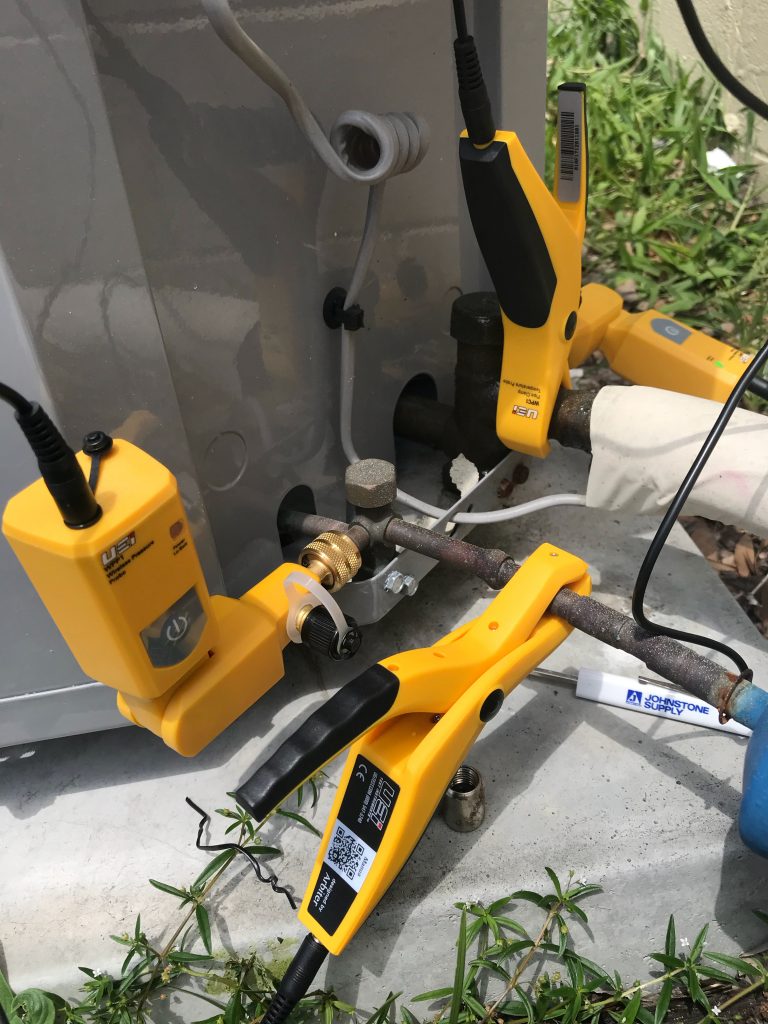
In this episode, Adolfo Wurts from Arbiter comes on and debates why a tech would want to use a manifold over wireless probes and vice versa.
In our industry, we are likely to see a trend of moving towards wireless equipment that connects to a single device. Wireless connections and digital displays may save us money on tools and allow us to store and interpret data more efficiently. However, a manifold can help you recover refrigerant, whereas probes cannot. Manifolds also have sight glasses, which help you check for overfeeding; probes do not offer you much help on that front. Manifolds can also fit into tight spaces a bit more easily than probes, but probes have already come a long way and will continue to get better.
Manifolds may feel heavier and seem more durable, but wireless probes are actually light yet hardy, and you don’t have to worry about cracking screens. Probes and manifolds are probably similarly hardy, but probes are lighter and have fewer components to damage. Probes also have a massive edge over manifolds in the area of contamination prevention.
Using your phone with probes has its advantages and disadvantages. Unfortunately, you expose your phone to situations that may damage it. However, you can access all of your readings in real-time from the phone. Your phone also has more processing power, and some apps can perform advanced calculations. You can avoid exposing your personal phone to field damage by using an older, cheaper phone just for field usage.
So, as our society and industry become more tech-savvy, probes will continue to improve. Probes that have an edge now will still improve, and you may want to consider using probes over manifolds. However, you may want to have additional hoses and a sight glass.
Adolfo and Bryan also discuss:
- UEI Hub kits
- Tool misuse and damage through improper storage
- Software in HVAC/R apps
- K-type thermocouples
- Using probes in ductwork
- Dehumidification
Find out more about the UEI hub kits HERE.
Learn more about Refrigeration Technologies HERE.
If you have an iPhone, subscribe to the podcast HERE, and if you have an Android phone, subscribe HERE.
Highlight a short passage, or bring a question about a specific moment into HVAC No Bull Forum.
Discuss this reference → Related forum discussionsAuthor:











Comments
To leave a comment, you need to log in.
Log In