
Tech Tips
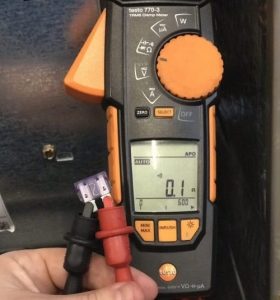
One of the most common mistakes I hear techs make is confusing zero ohms with infinite ohms. The fuse above is showing near-zero ohms, which indicates a good electrical path with very little resistance. If there is a perfect path, it would have zero ohms (which isn’t actually possible unless you happen to be […]
Read more

I watched an instructional video the other day where the guy kept palming his gauge manifold and CRANKING down on the valves when he closed them. I’ve seen techs use channel locks—and even vise grips—to tighten down their gauges “just in case” when they have a hard time finding a leak or a vacuum that […]
Read more
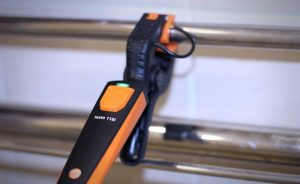
Jim Bergmann and I recorded a podcast for HVAC School that covered when and how to check the refrigerant circuit without connecting gauges. Listener Joe Reinhard listened several times and wrote up this summary of what he gained from the episode. I edited it lightly, but most of this is his work. Thank you so […]
Read more
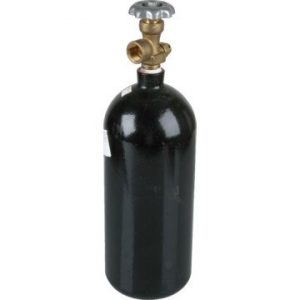
The gas laws. We all learned about them in school and promptly forgot all about them. I really think that we need to dig our books out, dust that information off, and work to understand and apply it. Many will say that nitrogen pressure doesn’t change with pressure like other gasses. That is false, but […]
Read more
We don’t work in a trade of dreamers and unrealistic New Years’ resolutions. We are doers who know that nothing worthwhile comes easy, and 2018 is no different. We have some “threats” entering the residential segment of the trade. Amazon and Google are looking to make a bigger entry into the home services trades, standardizing […]
Read more

Dehumidification features have been common on residential systems ever since the introduction of variable speed blower motors. The system is set up so that the blower can produce less CFM per ton when the latent load (humidity) in the space is higher than the setpoint relative humidity. Slowing the blower increases moisture removal by […]
Read more
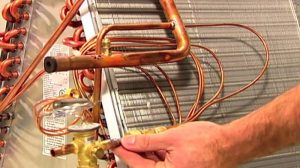
We get a lot of questions about both evacuation procedure and TXVs so last week we produced videos on both topics, including: • Before and after testing of piston vs. TXV • Using the Bluvac Measurequick app • Use of core remover tools for evacuation • Flowing nitrogen • creating an external equalizer port and […]
Read more
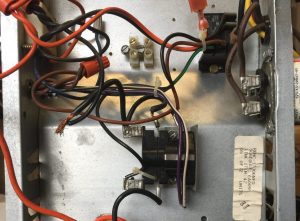
We’ve seen it before. A tech diagnoses a failed blower relay or board. They leave the blower jumped out by putting a terminal multiplier on the common terminal of the relay/board and connecting the fan speed tap right to power. There can be an issue with that. Some electric heat fan coils have a heat/blower […]
Read more
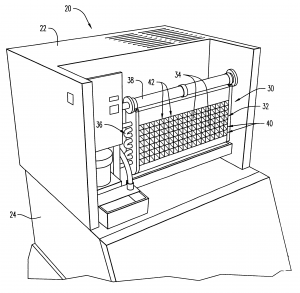
There are several types of ice machines, but in this article, we will focus on cuber style and flaker or nugget style. Both types produce ice, but the process of freezing and harvesting is a little different. The application in which the ice will be used will determine what style of machine is needed. I […]
Read more