
Tech Tips
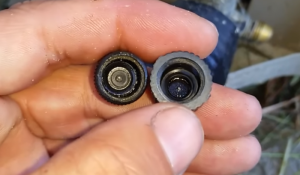
This is a video tech tip from our friend Brad at HVAC in SC. In this video, Brad demonstrates that using a cap off of a refrigerant tank on a system can depress the Schrader core on the system in some cases. Make sure to use proper caps that have seals or brass flare cones. […]
Read more
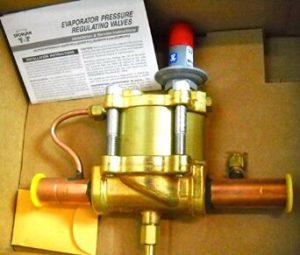
I don’t do much in the way of “rack” refrigeration. However, I recently had a conversation with experienced rack refrigeration tech Jeremy Smith, and he got me thinking about EPR valves. I’ve heard EPR (evaporator pressure regulator) valves called suction regulators or hold back valves. In essence, they hold back against the suction line to […]
Read more
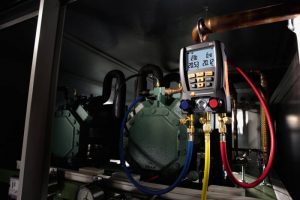
The title says it all. It should be one of the first things you learn when you started. However, I have seen a lot of experienced techs who seldom (if ever) do it. When connecting to a tank, purge your hose by cracking the center connection at the manifold for a second. When connecting to […]
Read more

In this episode Phil from Building automation monthly comes on and talks building automation and demystifies some of how it works. If you have an iPhone subscribe to the podcast HERE and if you have an Android phone subscribe HERE
Read more

There are many acceptable methods for making a wire splice, and you need to consider many different factors when making a splice. Here are a few considerations. High Voltage vs. Low Voltage – If the connection is 24V or less, it USUALLY has fewer NEC (National Electrical Code) rules and regulations concerning how the connections are […]
Read more

I have spent the last few days checking run capacitors on various systems with several different meters, and this is what I found: #1 – Comparing Start wire amps against Run + Common under the clamp together is meaningless as a practical test. I used this test on 3 different systems with 3 different meters […]
Read more

In a previous article, we covered the standard way to check capacitors under load. I am now going to give you an even easier test. A properly functioning PSC (permanent split capacitor) or CSCR (capacitor start capacitor run) motor should have a power factor of very close to 1 if they have a properly sized […]
Read more

A quick note about UV lights: they work like sunlight in that they prevent and kill many types of bacteria and fungi when exposed to the light on surfaces. They do not generally do a great job of killing spores suspended in the air stream. UV lights are great at killing yucky stuff on surfaces […]
Read more
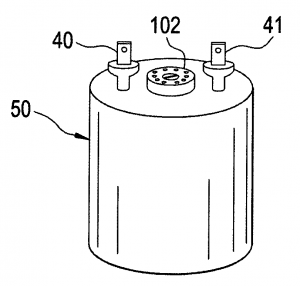
When testing a run capacitor, many techs pull the leads off and use the capacitance setting on their meter to test the capacitor. On a system that is not running, there isn’t anything wrong with this test. However, when you are CONSTANTLY checking capacitors as a matter of regular testing and maintenance, that extra step […]
Read more