
BACK

Garage HVAC Units Explained

Ever wondered why garage HVAC units cause so many headaches? In this episode, we break down exactly what happens when your air handler lives outside the conditioned envelope — and why that "convenient access" spot might be costing your customers more than they realize.

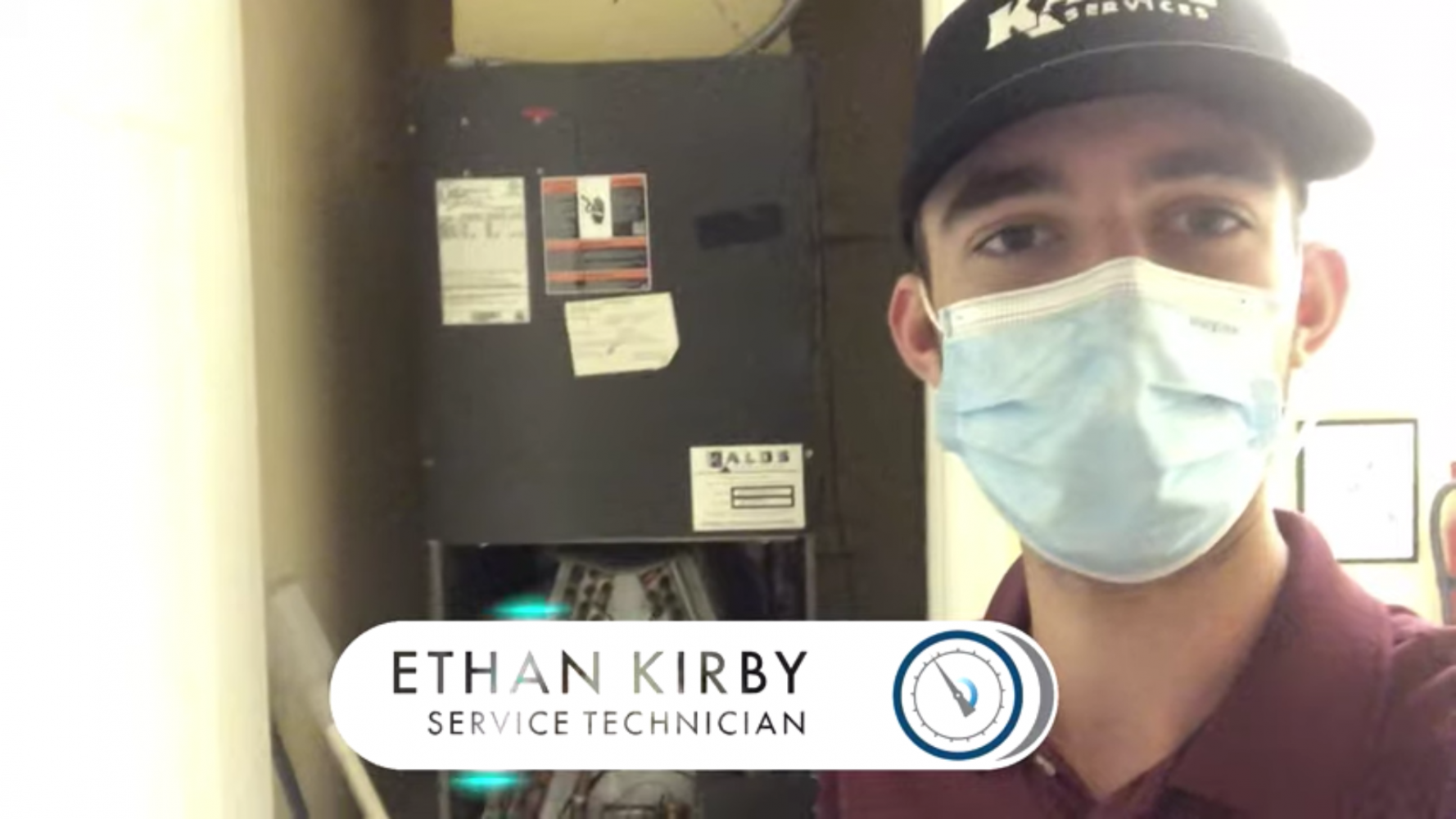
We dig into return air leaks pulling car exhaust and carbon monoxide straight into the ductwork (worst right after startup, when CO levels spike), supply leaks that quietly drain efficiency while pulling humid, unconditioned air back into the house through outlets, baseboards, and cabinet gaps. We also explain the dew point math behind cabinet sweating, coil condensation, and the mold growth that follows when insulation is too thin or airflow stalls in dead zones.

You’ll walk away with a much clearer, better explained picture of how garage-mounted systems behave differently than attic or closet installs, and what to check for on your next service call.

What we cover:

  • Why garages are technically “inside the house” from an air-pressure standpoint
  • Carbon monoxide risk during car startup and how it spreads through ductwork
  • Dew point, cabinet sweating, and condensation on undersized insulation
  • How a single missing screw hole (~1 CFM) adds up to real efficiency loss
  • How supply/return leaks pull humid outside air through walls, plugs, and baseboards
  • Mold growth in wall cavities from long-term moisture intrusion
  • Why the same setup behaves differently in humid climates vs. dry climates like Las Vegas


Understanding how these units are affected by their environment — and getting the airflow and sealing right — makes all the difference for comfort, efficiency, and indoor air quality.

Comments

Most popular videos

view all
loading

To continue you need to agree to our terms.

The HVAC School site, podcast and tech tips
made possible by generous support from