
Motors, Capacitors & Starting Components

We had a really great conversation on the HVAC School Facebook Group about some belt tension best practices. It turns out that even a lot of really smart and experienced techs are not aware of all the factors related to belt tensioning. Myth #1 is that amperage is used to set belt tension. Now, don’t […]
Read more
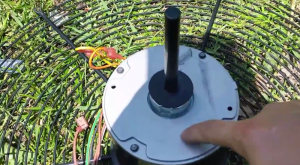
In this 60-second tech tip video by Brad Hicks with HVAC in SC, he shows us how and why to remove the weep port plugs on a condensing fan motor. I know from experience that motors can fail prematurely when this practice isn’t followed. Remember that motor orientation dictates which weep port plugs are […]
Read more
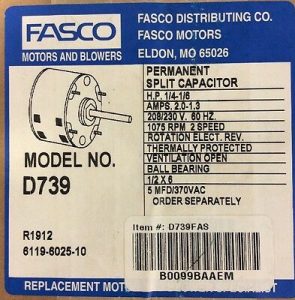
One aspect of motor selection that can get overlooked is motor bearings, and it can have big consequences. Sleeve bearings are most common in residential and light commercial applications because they are less expensive and quieter. They don’t have rolling “balls” but rather rely on a thin film of oil on metal sleeves. Sleeve bearings […]
Read more
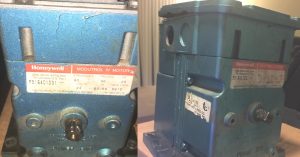
Modulation motors are not often seen in residential equipment, but we see them a lot in commercial and industrial applications on many different types of equipment. I see them primarily on larger burners to control the fuel firing rate, but they also control water flow through heating coils, the water level on cooling towers, and […]
Read more

This question was submitted on the site in response to the recent GFCI tip. It’s a good question with several possible answers. What do you think? Hey Bryan, I have had a few instances where we are firing off a furnace in a new build with a temporary power pole outside with gfci outlets installed […]
Read more
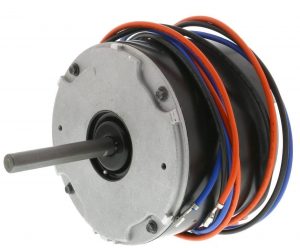
This article was written by technician and HVAC School community star Kenneth Casebier. Thanks, Kenneth! When looking at replacing a single-phase A/C motor with an aftermarket motor from your van, there are a few things you should know and pay attention to. First, the factory OEM motor will always be the best option, especially when […]
Read more
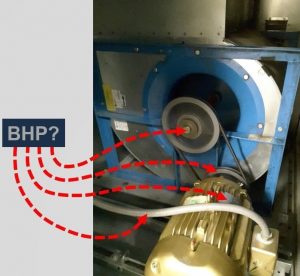
Brake horsepower (BHP), motor nameplate HP, and the actual electrical power (watts) a motor will consume are different but related concepts. They can get confusing. So, we will tackle them one at a time. Let us start with simple definitions of work, power, and horsepower. Work = distance in feet x force in pounds, both […]
Read more

This tech tip is a quick one on the difference between wiring universal condenser fan motors and why brown + white is the same wire as white. This one seems to confuse even experienced technicians, but it’s actually very simple once you see it. Now, keep in mind that wire colors ACTUALLY MEAN NOTHING, but […]
Read more

“Service factor” is an interesting motor rating that you will see on many motor data tags. It simply means how much additional “work” a motor can do or how much “load” it may be placed under for short periods of time without failure or overload. For example, the FLA or full load amps of the […]
Read more