BACK

The “Heat Trick” for Checking Compressor Oil with Roman Baugh

Ever wondered if there's a clever heat trick for diagnosing what's happening inside your compressor without tearing it apart? In this episode, Roman Baugh breaks down the science of thermal conductivity and shows you exactly how to use it as a powerful field diagnostic tool.

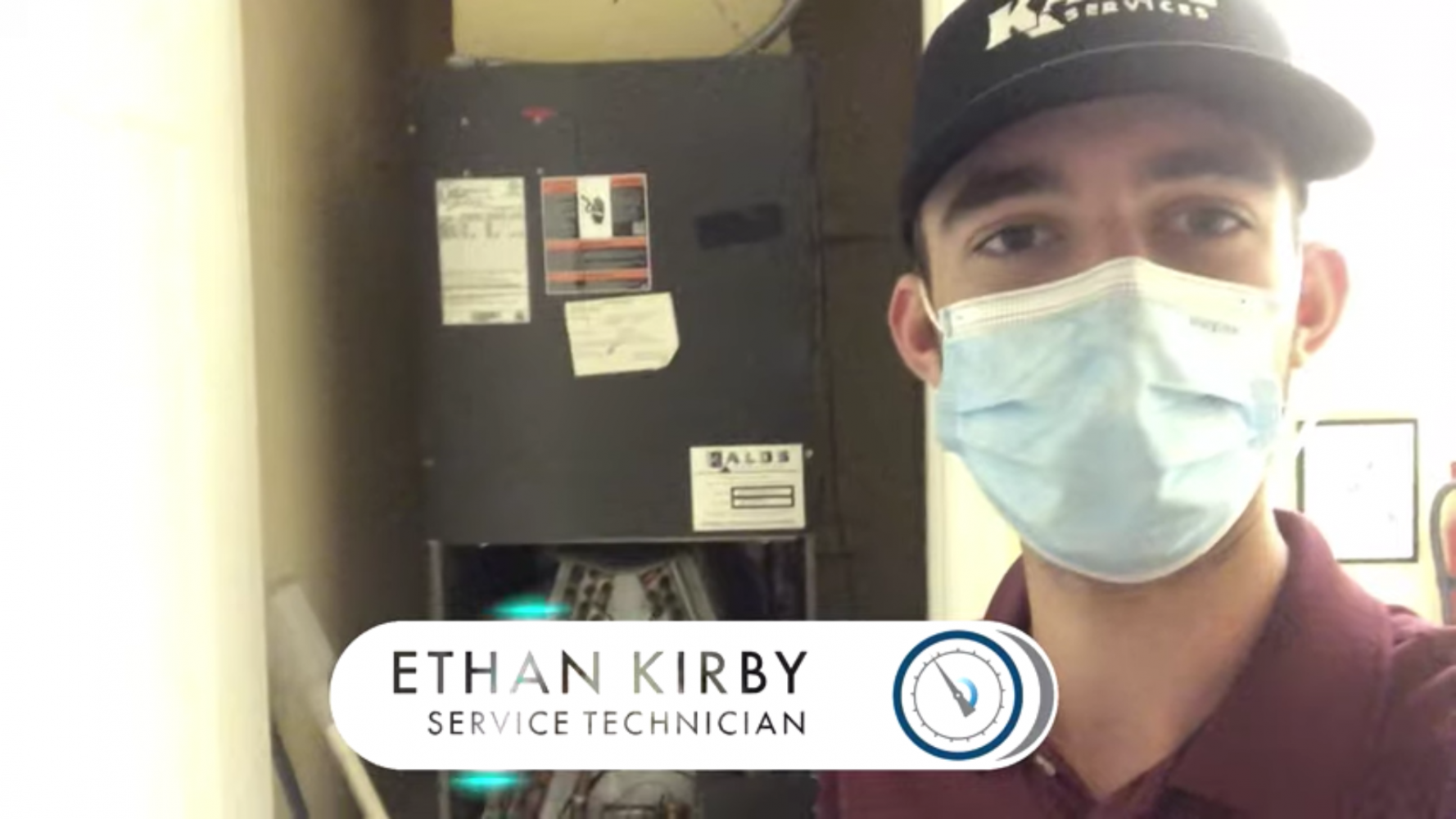
Roman starts with a simple but eye-opening experiment — comparing how steel, styrofoam, and plastic transfer heat using nothing but ice cubes and a thermal imager. The results speak for themselves: steel transfers heat 2,000 times faster than air, and copper an astonishing 15,000 times faster. That’s not just a cool science fact — it’s the foundation of how every evaporator coil and condenser in the field actually works.

From there, Roman demonstrates how checking compressor oil levels becomes possible without a sight glass. By applying external heat — whether from a torch or a heat gun — to the outside shell of a compressor or accumulator, you can use a thermal imager to spot the exact line where oil ends and air begins. Oil transfers heat six times faster than air, so the separation shows up clearly on camera. The same technique works for checking liquid levels inside an accumulator.

This isn’t just a one-time measurement — it’s a diagnostic process you can repeat over time to track whether a repair actually moved the needle.

Whether you’re a seasoned tech or just getting started, this is the kind of real-world science that makes you better in the field.

Comments

Most popular videos

view all
loading

To continue you need to agree to our terms.

The HVAC School site, podcast and tech tips
made possible by generous support from