
BACK

Why Pulling a Vacuum Matters: POE Oil, Acid and Compressor Failure

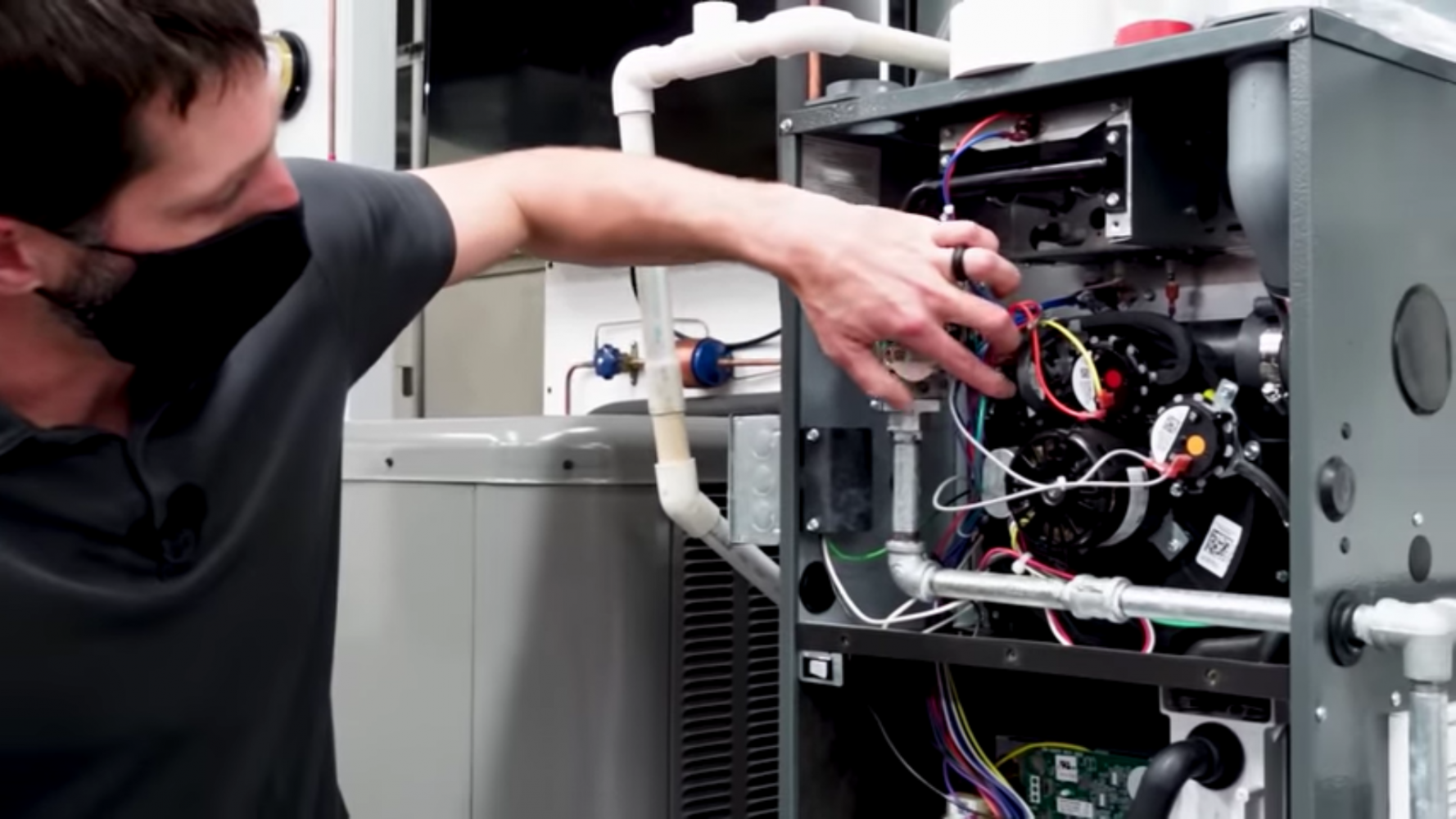
Why does a compressor fail months after a routine install, with no obvious cause? In this video, Ty Branaman walks through the chemistry most techs skip past: what actually happens inside the system when moisture gets left behind.

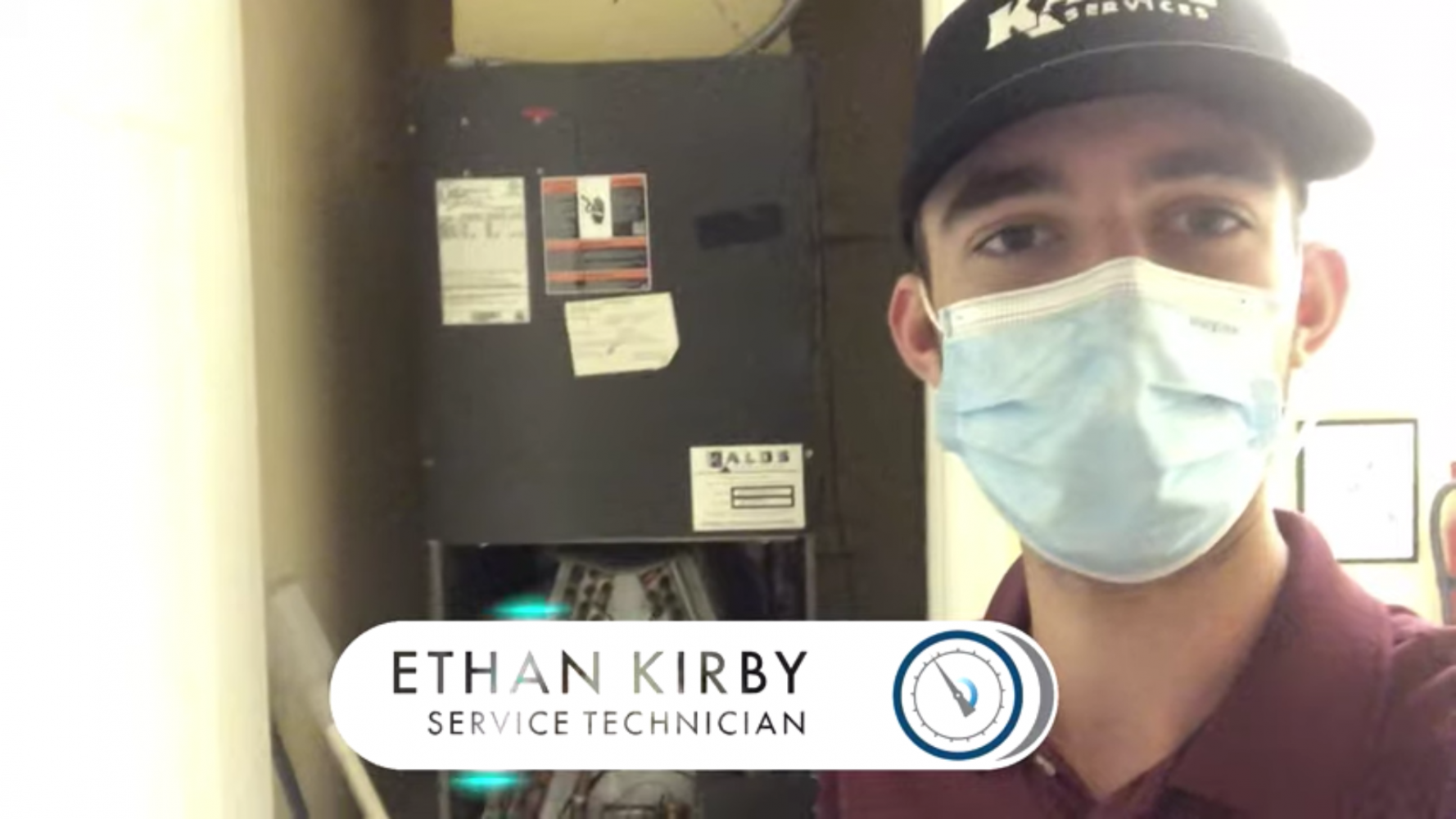
Pulling a proper vacuum is the one step you can’t go back and redo later — you can fix ductwork, you can reseal a flare, but you can’t undo moisture that’s already been sealed into the lines. The reason it matters so much comes down to POE oil. It’s a fantastic lubricant and great at heat transfer, but introduce even a small amount of moisture and that oil slowly converts to acid.

That acid doesn’t stay contained — it eats away at copper, opening up pinhole leaks in the coil. The etched copper then travels through the system and lands on the hottest part of the compressor, building up as plating on internal moving parts. Over time, that buildup increases friction, raises amp draw, and makes startup harder. Techs often blame a “weak motor” or reach for a hard start kit, when the real culprit is copper plating slowly choking the compressor from the inside — a process that ends the same way every time: failure.

Topics covered in this video:

  • Why a deep vacuum can’t be skipped or rushed
  • How moisture converts POE oil into acid
  • Acid’s effect on copper lines and pinhole leaks
  • How copper plating builds up inside compressors
  • Why “weak motors” are often actually copper plating
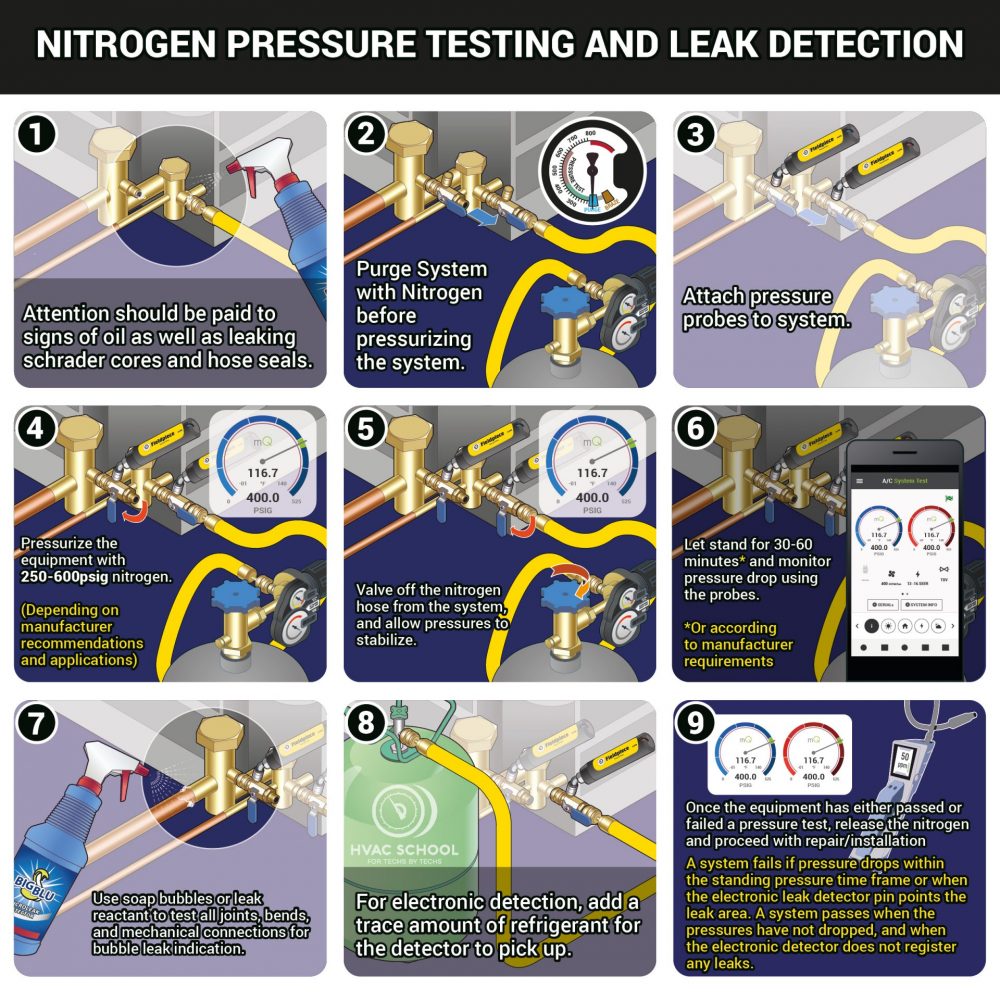
  • Decay testing and why it matters

Comments

Most popular videos

view all
loading

To continue you need to agree to our terms.

The HVAC School site, podcast and tech tips
made possible by generous support from