
BACK
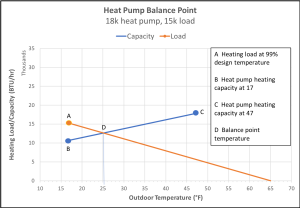 Thermal Balance Point
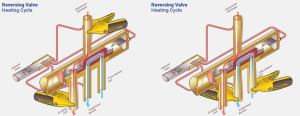 Diagnosing a Reversing Valve
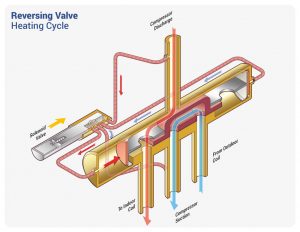 How a Heat Pump Reversing Valve Works
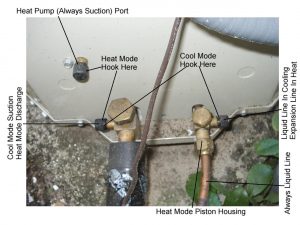 Checking the Charge on a Heat Pump in the Winter
 Pool Heat Pumps, The Basics
#heat pump
Tech Tips:
Thermal balance point is a concept that is going to start mattering a lot more in years to come as more and more homeowners become interested in electrification. In almost all cases, the heat load for a house is larger than the cooling load; this is true even where I live in Dallas, Texas. Why […]
Read more
Introduction Replacing a reversing valve is either every technician’s dream or nightmare. The sheer amount of brazing involved in confined spaces will inspire either delight or nightmares about the upcoming valve replacement. Fortunately, these emotional highs and lows are uncommon because we don’t diagnose and replace bad reversing valves very often. That itself poses a […]
Read more
If you don’t have a gas furnace or fireplace in your home, your unit’s reversing valve is probably your best friend during the winter months. As their name suggests, reversing valves reverse the refrigerant flow to send the hot, compressed vapor to the indoor coil instead of the outdoor coil. The system releases heat into […]
Read more
When you ask many people nowadays how to check the charge on a heat pump during low outdoor temps, they will say that you need to “weigh in and weigh out” the charge. While this may be an effective method, it isn't always practical. Now, if you are making a refrigerant circuit repair, weighing out […]
Read more
Note: My brother Nathan wrote this a few years back, and I only did some minor editing. A pool heat pump is essentially a water-cooled air conditioner in reverse. It usually has a large air evaporator on the outside that looks like a condenser coil and a heat exchanger (usually tube-in-tube) on the inside. A […]
Read more