Refrigerant Leak Detection Tips
June 10, 2026
In this video, we break down what a proper refrigerant leak detection process actually looks like — and spoiler: it starts long before you ever pull out the detector.



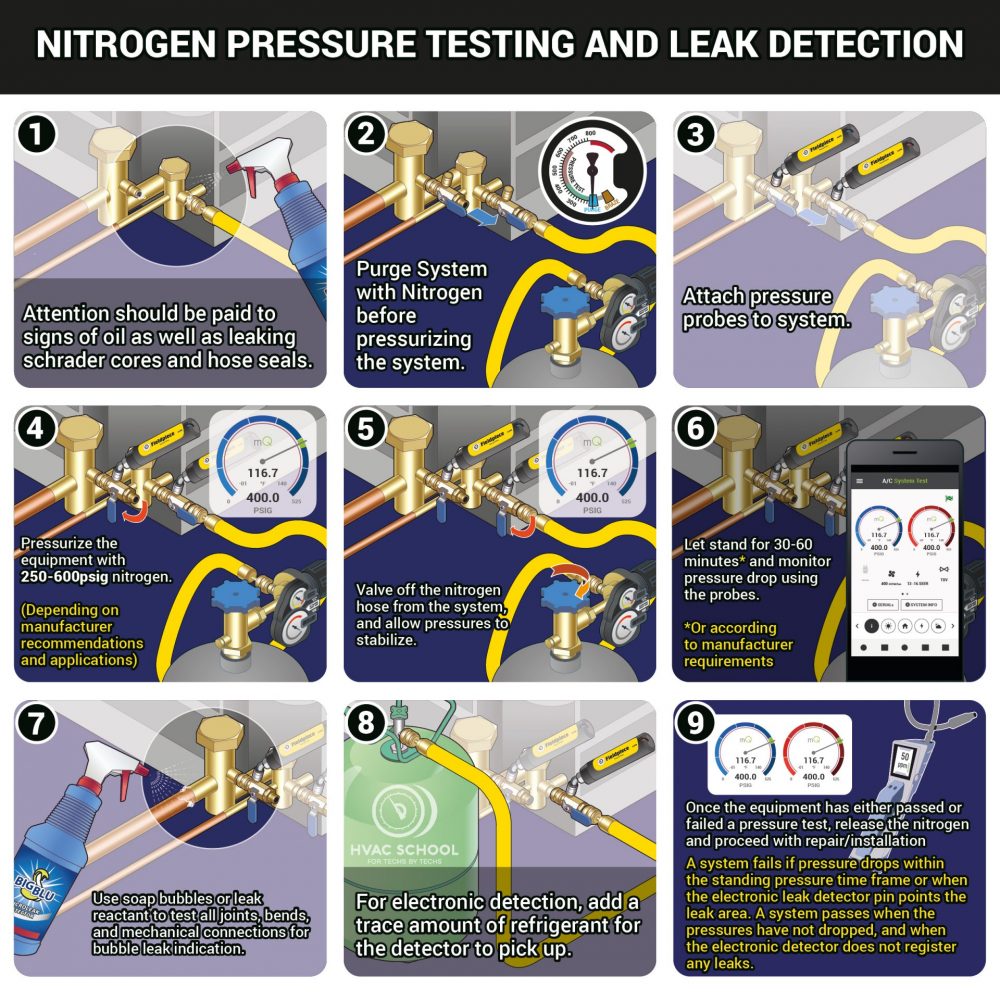
Whether you’re a seasoned tech or still building your skills, these leak detection tips will sharpen how you approach every service call. We cover the step-by-step process that too many technicians skip: checking standing pressure before you do anything else, using all your senses (yes, your ears too), performing a thorough visual inspection for oil stains, kinks, and physical damage, and knowing when to reach for nitrogen and trace gas.
We also get into the real-world scenarios — frozen coils, systems that are completely flat by the time you arrive, leaks hidden under insulation, and lines running underground. Plus, the common mistakes that waste hours on a job site (like walking around with your detector while you’re on a 10-minute phone call ).
Key topics covered:
If you want to stop missing leaks that other techs have already given up on, this one’s for you.













Comments
To leave a comment, you need to log in.
Log In