
Tech Tips

I’ve seen a lot of guys recently who reach for the motor puller tool first thing when attempting to remove a blower motor from a wheel/fan blade. Motor puller tools are an awesome backup tool when needed, but using a motor puller tool shouldn’t be the go-to method of removing a motor. The main issue […]
Read more

When I started in the trade in 1999, there were still many oilable blower motors in service. As part of the maintenance, we would remove the housing and oil the motor. We would also vacuum the motor and wipe it down. As oilable motors have become extinct, I see fewer and fewer techs pulling the […]
Read more
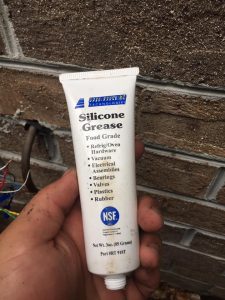
Dielectric grease is an often misused and misunderstood product that could easily benefit HVAC/R technicians in various ways. From food service to electrical connections, dielectric grease can help lubricate mechanical components and prevent corrosion on electrical connections. But we need to understand what it is in the first place before we can properly apply it […]
Read more
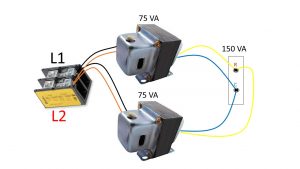
I had an old-timer tell me that you can never connect two transformers together because they will “fight one another.” If you are anything like me (and heaven help you if you are), a cartoon in your head starts playing whenever someone says something like that. In this case, I imagine two transformers with boxing […]
Read more

Let's get something out of the way right off the top: saying that we learn best “hands-on” is sort of like saying we prefer to breathe air. WE ALL NEED TO APPLY THINGS TO LEARN THEM DEEPLY! David Sandler wrote the book You Can't Teach a Kid to Ride a Bike in a Seminar, and […]
Read more

As HVAC/R Technicians, we use tools and instruments to take measurements every day. In fact, 90% of our job could not be done efficiently without some kind of measurement. “How do we measure?” “With what instruments?” “How accurate are these measurements?” These are all questions a thoughtful technician should ask before spending money on a […]
Read more

Image Courtesy of Eaton SNAP ‘N SHIELD Piping support is covered in Section 305 of the IMC (International Mechanical Code). Once again, the IMC isn't binding, but it is what most local codes are based on. Piping / Tubing Material Maximum Horizontal Distance Between Support Maximum Vertical Distance Between Support Copper Tubing 1 1/4″ […]
Read more
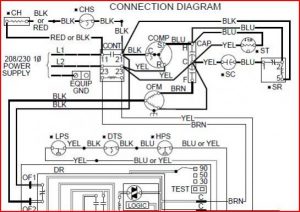
We keep two-pole, 40-amp 24v coil contactors on all of our vans. They are versatile and reliable, and you can replace most residential A/C contactors with them. There are a few things to watch for, though, especially when you have a crankcase heater. Many brands power the crankcase heater constantly and shut it on and […]
Read more
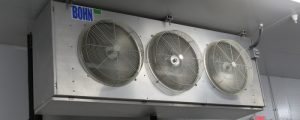
We have discussed DTD (design temperature difference) quite a bit for air conditioning applications, but what about refrigeration? Let's start by defining our terms again. Suction Saturation Temperature The saturation temperature is the temperature at which the refrigerant will be at a given pressure if it is currently changing state. This change of state would […]
Read more