
Tech Tips
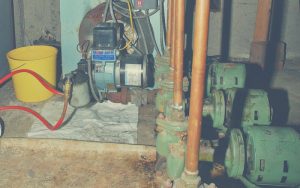
This tech tip was written by a friend of HVAC School, Brian Mahoney. He is an HVAC instructor at Western Suffolk BOCES/Wilson Tech. Thanks, Brian! The podcast on delta T for A/C the other day got me thinking about the formula I learned in school about calculating the GPM of a hydronic system. We will […]
Read more

This article was written by Christopher Stephens. He is a commercial HVAC/R service manager in the greater Los Angeles area. Thanks, Chris. Let’s start by covering the three elements needed for a fire: fuel, air, and heat (spark). With those three elements in the right condition, you can start a fire. So, if we reduce […]
Read more

Measuring airflow is easy. Measuring airflow accurately is quite a bit more difficult. In many cases, when we as technicians measure airflow, we are trying to get to the almighty CFM (cubic feet per minute) volume measurement. You can take CFM readings fairly easily with a hood, like the Testo 420, but even a hood […]
Read more
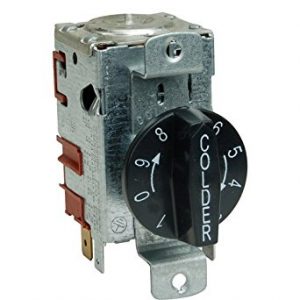
This article is written by Christopher Stephens of JVS Refrigeration in California, with just a few additions by me (Bryan) in italics. Thanks, Chris! Reach-in refrigerators are an interesting side of our industry, often looked at as frustrating and troublesome. Since we usually see reach-ins in kitchens or convenience stores, the refrigerators are never […]
Read more

One of my techs (Jim Walch) brought another common “double trap”-style issue to my attention: techs and installers running a drain too far into a condensate pump. When you run the system drain too deep into the pump reservoir, the water level can rise high enough to cover the drain end. That can create the […]
Read more

Although there are various line lift, sizing, and trapping guidelines depending on oil and refrigerant type, there is one guideline we can all understand easily and remember to apply. This guideline is to slope suction lines towards condensing units/compressors. Keeping the suction line sloped toward the compressor, especially with long overhead lines, helps return the […]
Read more
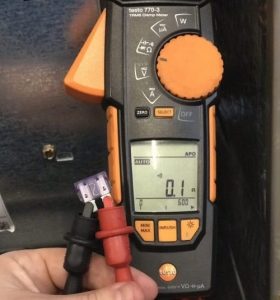
One of the most common mistakes I hear techs make is confusing zero ohms with infinite ohms. The fuse above is showing near-zero ohms, which indicates a good electrical path with very little resistance. If there is a perfect path, it would have zero ohms (which isn't actually possible unless you happen to be […]
Read more

I watched an instructional video the other day where the guy kept palming his gauge manifold and CRANKING down on the valves when he closed them. I've seen techs use channel locks—and even vise grips—to tighten down their gauges “just in case” when they have a hard time finding a leak or a vacuum that […]
Read more
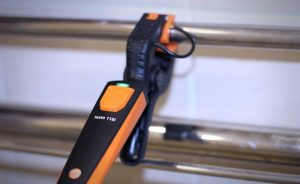
Jim Bergmann and I recorded a podcast for HVAC School that covered when and how to check the refrigerant circuit without connecting gauges. Listener Joe Reinhard listened several times and wrote up this summary of what he gained from the episode. I edited it lightly, but most of this is his work. Thank you so […]
Read more