
Tech Tips

Whether you’re putting an A/C unit in a new home or doing a retrofit, installation jobs make up a pretty big chunk of residential HVAC work. Installation can be hard work, and there’s a lot more to it than throwing a unit together and making sure it starts up. When you consider building design, ductwork, […]
Read more

Some careers, such as the more prolific positions in journalism and broadcasting, require lots of networking for you to land a job. A candidate’s appeal may depend almost entirely on who they’ve rubbed elbows with and which companies they’ve worked for. Luckily, HVAC/R jobs typically don’t require networking, especially not to that degree. However, that […]
Read more

When you first start your HVAC career, it’s pretty common to be afraid of failing or doing substandard work. The job market is competitive, and many new techs may worry that they’ll be inadequate and easy to replace. So, the fear of failure is common and understandable. Embarking on an HVAC career journey can be […]
Read more

Why is it called single-phase 240 when there are two opposing phases (or legs)? I wondered why we called two 120v opposing legs “single-phase 240” for years. Then someone pointed out to me that a typical “single-phase” pole transformer only has one power leg entering and two coming out. That freaked me out. How can […]
Read more

We had a class with our refrigeration techs, and the topic of leaking and bypassing service “angle” valves and ball valves came up. One of the techs pointed out that most valves recommend loosening the top nut on ball valves and the packing nut on angle valves before turning the stem for maximum longevity of […]
Read more

As we have mentioned in several previous articles (such as this one HERE), many blended refrigerants have glide, which simply means they boil and condense over a range of temperatures instead of just one temperature. As an example, consider refrigerant R407c. It is a zeotropic blend, which means it has enough glide to make a […]
Read more

DISCLAIMER: HVAC School is NOT an official OSHA safety training resource! Although we provide safety tips in good faith, our website is not a substitute for safety training from an authorized OSHA training source. When most people think about respiratory devices, their minds probably jump to soldiers wearing gas masks in warfare, hazardous waste […]
Read more
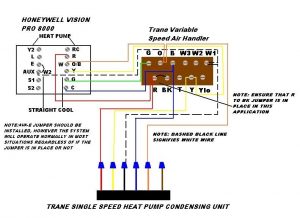
I got this question via email (edited slightly for length): Some things I've done because I've been taught to do them yet I don't know why I do them. One of those things is putting a jumper between w1/e and w2. Sometimes, in the case of a Goodman for example, I've been taught to combine […]
Read more

Many of us understand that we need to get involved in local trades education to prepare students for fieldwork and get more people to consider careers in the trade. One of the ways contractors can support educators is by getting involved with local trade schools and industry organizations. We can do that by attending meetings […]
Read more