
Tech Tips

DISCLAIMER: HVAC School is NOT an official OSHA safety training resource! Although we provide safety tips in good faith, our website is not a substitute for safety training from an authorized OSHA training source. Let’s be honest: most of us probably got into the HVAC trade because we enjoy working with our hands. Unfortunately, […]
Read more
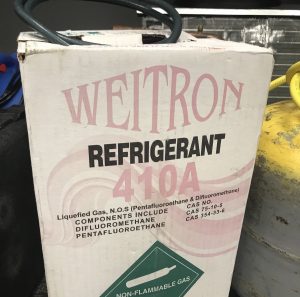
I am consistently surprised by how much false information still circulates out in the field, and one of the ones I hear often is the idea that you cannot or should not “top-off” or recharge R410a systems on top of an existing charge of R410a when the system is low. So, to be clear, before […]
Read more

We’ve already made a few tech tips and uploaded a few podcasts about HVAC business practices, including some on profitability. That content is all fine and dandy, but those podcasts, articles, and videos may seem out of touch with most of our audience. After all, that content hardly seems to apply to the bread […]
Read more

Probably the most popular measurement method for indirect airflow readings is total external static pressure (TESP). A dual-port manometer or two Bluetooth single-port manometers are essential to the HVAC technician toolbag. Here’s a quick review of TESP, why it’s important, and how to make the measurements. TESP is a pressure reading of the “balloon” pressure […]
Read more
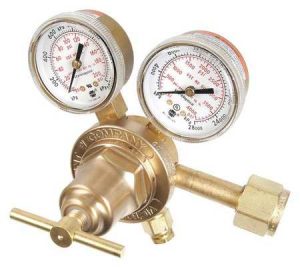
Some of the scariest practices that occur in the field surround brazing practices and tank and regulator handling. A few obvious tips are: Store tanks completely secure and upright with nothing nearby that can easily open or damage the tank valve. NEVER store tanks in a torch kit with it off only at the torch […]
Read more

Yeah? Well, how do you know? What should they be? What are the outdoor and return air temperatures? What SEER rating is the equipment? These are the questions I ask every single time a technician says the phrase, “But the pressures look good for [insert refrigerant of choice here].” When they can’t answer the questions […]
Read more

Over the last 30 years, there has been a big move away from conventionally framed roof structures towards engineered structures— specifically engineered trusses and load-bearing engineered beams like micro laminated and even steel. I have been in so many attics where the engineered roofing or other load-bearing structures have been cut to accommodate equipment, wires, […]
Read more

This article is an updated version of another HVAC School article on oversized equipment. This edition is a joint effort by Genry Garcia of Comfort Dynamics, Inc. and Kaleb Saleeby. Both of them are regular contributors to HVAC School, and we are grateful for their contributions. Thanks, guys! The symptoms and consequences of oversized heating […]
Read more

As an A/C tech, I can sometimes get the terms “defrost termination” and “defrost fail-safe” mixed up because they sound pretty similar. Before we cover these terms, let's set the basic defrost groundwork for refrigeration (coolers and freezers). Defrost is accomplished in one of a few ways; these first two only apply to “coolers” where […]
Read more