Tech Tips

A good leak detector is a big investment and one of the more important tools a tech has on the truck. I've had the same leak detector for years, and I've replaced everything on it, from sensors to pumps to the probe. And no, the one shown above isn't mine. One thing that I have […]
Read more
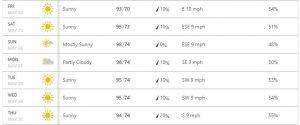
These are two separate emails that I sent to our customers and staff in preparation for what could be a very hot Memorial Day weekend (2019). I'm sharing it here so that you can use parts of it in your business as you see fit. I hate seeing techs get beat up on hot holiday […]
Read more

Every piece of air conditioning equipment can move a certain amount of heat BTUs (British Thermal Units) at set conditions. In most cases, during the cooling mode, a portion of those BTUs will go toward changing the temperature of the air, and a part will go toward changing vapor water in the air into water […]
Read more
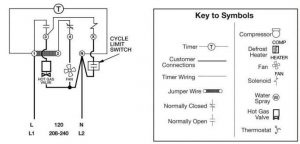
The most common method to defrost appropriately in refrigeration involves both time for initiation and a combination of time and temperature for defrost termination (ending defrost). But why can't we just use temperature or time alone? (You may wonder.) Imagine a common freezer with a designed box temperature of -10°F and a coil temperature of […]
Read more
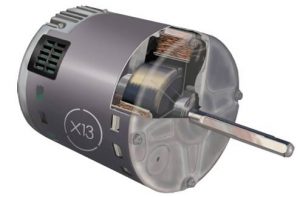
In residential and light commercial HVAC, we work primarily with PSC (permanent split capacitor) motors. However, it is good to be aware of some other types. PSC (Permanent Split Capacitor) A common medium torque single phase motor with a run capacitor always in the circuit. This type makes up the majority of HVAC motors (condenser […]
Read more

We've been getting many questions on micron gauges that are ”going haywire” or reading in the micron range, even at atmospheric pressure. First, micron gauges measure absolute pressure, so you can’t ”zero” them out. They use tiny, very sensitive sensors that are calibrated to air, not refrigerant, so anytime refrigerant gets into the gauge, it's […]
Read more
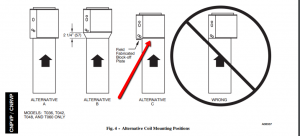
On occasion, you will either find a furnace or be tasked with installing a furnace where the coil overlaps the edge of the furnace because the coil is wider. In the case of a Carrier CNPVP coil, you need to ensure that you align the coil according to the manufacturer's specs, or you risk cutting […]
Read more
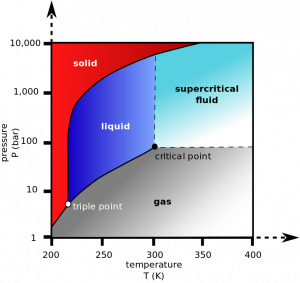
Illustration Courtesy of Emerson CO2 is a pretty nice refrigerant. It has zero ODP (ozone depletion potential) and a GWP (global warming potential) of 1. CO2 has been used as a refrigerant almost from the very beginning of refrigerants, and it's been making a big comeback in market refrigeration (especially in colder climates). CO2 […]
Read more

This tip was written by HVAC Applications and Technical Specialist Dakota Brown. Thanks, Dakota! As a technician, it was always the same old story: Are you done yet? There was always pressure from the office—either from the dispatcher, service manager, or project manager—to get the job done and get it done quickly. When I became […]
Read more