
BACK
 Key Takeaways From the 7th Annual HVACR Training Symposium
 Another Ob-NOx-ious Combustion Product
 The Chemistry of Combustion In the Wild
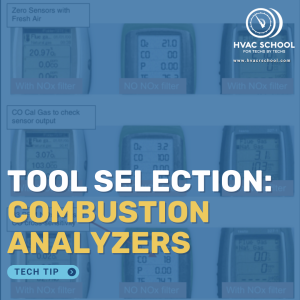 Tool Selection: Combustion Analyzers
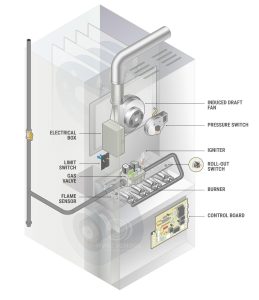 Gas Furnaces – What a Tech Needs to Know
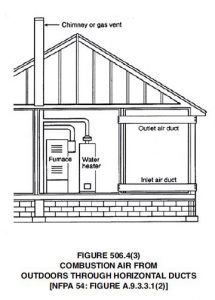 Combustion Air
 Symposium – What is the House Trying to Tell Me?
 Don’t Die! w/ Louise from UEi
 Gas & Combustion Safety w/ Bert
 Combustion vs. Compression – Short #275
 Combustion Analysis w/ Tony G.
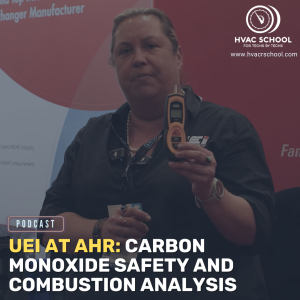 UEI at AHR: Carbon Monoxide Safety and Combustion Analysis
 The Chemistry of Combustion w/ Rachel Kaiser
 Combustion Venting Categories – Short #189
 Why and How of Combustion Analysis w/ Tyler Nelson
 I’ve Got a Combustion Analyzer, What’s Next?
 Combustion Analysis and Troubleshooting
 Combustion Analysis: Easier, Faster, and Better
 The Chemistry of Combustion
#combustion
Tech Tips:
This is a recap of the 7th Annual HVACR Training Symposium session, with a few key themes and takeaways. If you missed the symposium but find some topics of interest in this tech tip, you can still purchase a virtual ticket at hvacrschool.com/symposium. You must be logged in to your account with a ticket to […]
Read more
As we do fall maintenance and head into the heating season, combustion analysis becomes a big deal. (It’s always kind of a big deal, but now it’s a really big deal.) First and foremost, it tells us how much carbon monoxide (CO) is produced by burning. CO can make people ill, contribute to cognitive deterioration […]
Read more
If you’ve been following my writing for the last couple of years, you know that I like to blather on and on about combustion analysis. Now, I am by no means an expert on the subject, as I live in North Texas (which is not known for its intense heating season), but I love using […]
Read more
While gauge manifolds and manometers may only have one main function, some tools take several different measurements and will have more expansive specs. The combustion analyzer is one such example—combustion has so many elements, and we need something that can analyze the concentrations of several different substances as well as temperature. As such, a combustion […]
Read more
It’s that time of year again—the furnace service calls are peaking. It’s a good idea to crack open Jason Obrzut’s book, Gas Heating: Furnaces, Boilers, Controls, Components, and listen to the many public podcasts and presentations by experts like Jim Bergmann. At HVAC School, we’re fortunate to have had some of the industry’s greatest minds […]
Read more
To maintain combustion (burning), you need three things: fuel, heat, and oxygen. If you have all three in the proper proportion, you can maintain a continuous state of combustion. Remove one (or reduce one sufficiently), and the triangle of combustion can collapse. In a common natural gas (NG) furnace, the heat is the igniter, the […]
Read more
Videos:
Podcasts:
Join Chris Hughes and Adam Mufich at the 7th Annual HVAC/R Training Symposium as they interview building scientist Tessa Murray. In this eye-opening conversation about what your house is really trying to tell you. Discover why HVAC techs need to understand building science fundamentals to truly master their craft. What You'll Learn: The critical […]
Read more
In this episode, recorded live at AHR Expo 2026, Bryan sits down with Louise from UEi Test Instruments for an in-depth conversation about one of the most underestimated dangers in the HVAC trade: carbon monoxide. Rather than treating CO as just another checkmark on a safety list, Bryan and Louise dive into the full […]
Read more
In this informative episode, Bryan and Bert dive deep into gas appliance safety and combustion analysis from the unique perspective of Florida HVAC technicians. While they humorously acknowledge that Florida's mild winters mean they don't work on gas furnaces daily, they make a compelling case that this actually makes their training even more critical. […]
Read more
In this short podcast episode, Bryan covers the history of the great heating debate: furnaces vs. heat pumps or combustion vs. compression. He also gives a breakdown of each other's strengths and gives his two cents on the winner of the debate. Fire kept humans warm for much of history, but engineers developed a […]
Read more
In this comprehensive training session from the symposium, Tony Gonzalez, Training Director at Fieldpiece, delivers an engaging and practical guide to combustion analysis for HVAC technicians. With 25 years of experience at Fieldpiece—from warehouse worker to training director—Tony brings both technical expertise and real-world application to this 50-minute interactive session focused on the company's […]
Read more
In this informative podcast episode, Bryan from HVAC School is joined by Louise Keller, the National Training Manager for UEI Test Instruments, to discuss the critical importance of carbon monoxide safety and proper combustion analysis. The conversation begins with lighthearted banter about the previous night's Tactical Awards ceremony before diving into the serious topic […]
Read more
In this episode of the HVAC School Podcast, Bryan interviews Rachel Kaiser, a chemist with a passion for making science more accessible and understandable, especially when it comes to the topic of combustion. Rachel shares her background of how her family's restaurant business sparked her early interest in chemistry and the science behind mixing […]
Read more
In this short podcast episode, Bryan talks about the four different combustion venting categories for gas appliances as set by ASHRAE and where you'll see them. He also shares some notes about pressurization. These categories deal with the pressurization and temperature ranges of the vents. Category 1 venting is used for old-school open-combustion gas […]
Read more
Bryan Orr interviews Tyler Nelson, an HVAC expert with over 20 years of experience as a contractor. They have an in-depth discussion about combustion analysis and why it is becoming increasingly important for HVAC technicians to utilize this process. The conversation provides an overview of combustion analysis benefits and why HVAC pros should incorporate […]
Read more
Events:





NOTE: If you cannot view the recording, the video may still be processing. The maximum wait time is 24 hours. We apologize for the delay and appreciate your patience.
Read more
NOTE: If you cannot view the recording, the video may still be processing. The maximum wait time is 24 hours. We apologize for the delay and appreciate your patience.
Read more
NOTE: If you cannot view the recording, the video may still be processing. The maximum wait time is 24 hours. We apologize for the delay and appreciate your patience.
Read more
NOTE: If you cannot view the recording, the video may still be processing. The maximum wait time is 24 hours. We apologize for the delay and appreciate your patience.
Read more