
Compressors

A friend of mine was telling me that a utility had the idea that they could reduce energy consumption by turning HVAC equipment on and off rapidly during times of high load. In their minds, wouldn't it be better to spread out the off time rather than keeping the system off for longer periods and […]
Read more
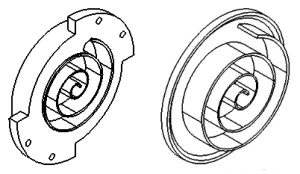
This tip will be like an episode of Columbo; we will start with the what and who and then get to the why. Don't pump down a scroll into a vacuum. Don't run a scroll in a vacuum. Don't run a high voltage megohmmeter or Hi-pot test on a scroll (As a general rule, don't […]
Read more
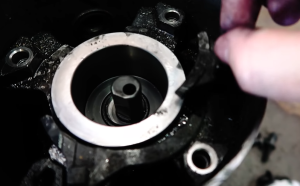
This article was written by Don Gillis, the technical training manager at Chemours. Thanks, Don! Refrigerant compressors are essential components of air conditioning and refrigeration systems, as we all know. They work by compressing refrigerant vapor, which then flows through the system and changes state as pressure and temperature conditions rise and fall. Unfortunately, these […]
Read more

A while ago, I walked up on one of our managers who was talking to a junior tech diagnosing an intermittent controls issue on a pool heat pump. In the background, you could hear an EXTREMELY loud compressor. The junior tech had just been moving some wires around, and the next thing he knew, there […]
Read more
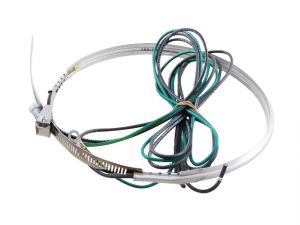
Belly band crankcase heater When I first started in the trade as an apprentice, we worked on many Trane heat pumps that used crankcase heaters. These crankcase heaters slid into the compressor sump on the big orange Tyler reciprocating compressors. They looked like the one in the picture below. It was very common for these […]
Read more

When I was younger, I used to play and watch golf quite often. My father enjoys golf, and he would take me with him on many of his Saturday morning rounds. As a kid, it was all about DISTANCE. All I cared about was how far I could whack the ball with a driver—ESPECIALLY when […]
Read more

Refrigerant migration is a natural process that occurs during the off-cycle. The refrigerants have an affinity for oil and seek out the lowest-pressure areas, so it only makes sense that some refrigerant would be drawn to the compressor crankcase and may condense there. When the refrigerants condense, they saturate the oil. As a result, refrigerant […]
Read more

Many HVAC/R technicians (including me) describe the compressor as the heart of the refrigeration cycle. It prepares the refrigerant for the condensing process, which is crucial for heat rejection. However, some refrigeration methods don’t require a compressor. In this article, we’ll look at those methods and their applications. Gas movement without compressors As you […]
Read more
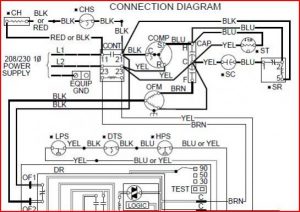
We keep two-pole, 40-amp 24v coil contactors on all of our vans. They are versatile and reliable, and you can replace most residential A/C contactors with them. There are a few things to watch for, though, especially when you have a crankcase heater. Many brands power the crankcase heater constantly and shut it on and […]
Read more