
Refrigerants, Oils & Regulations
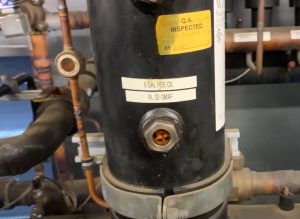
This tech tip was written by Don Gillis with Chemours. Thanks, Don! The shift to R-410A from R-22 brought some pretty big changes to the industry, including the shift to polyolester (POE) oil. We had been using mineral oil for CFC refrigerants like R-12 and HCFCs like R-22, so we had to update some of […]
Read more
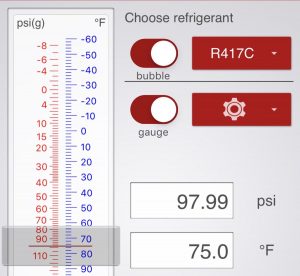
Source: Refrigerant Slider in the Ref Tools App We've been pretty spoiled in residential and light commercial HVAC in the USA because we haven't needed to deal with glide much. In HVAC/R, glide is the window of difference between the boiling points in blended refrigerants; when you have a refrigerant blend made up of different […]
Read more

I've recently seen heated debates in different HVAC groups about whether it is okay to recharge a residential HVAC system with R22 without locating and repairing the leaks. I've had residential customers call me and complain about other companies telling them they must replace their system because it leaks. They've also stated that it is […]
Read more

This article was written by Don Gillis, the current Technical Training Manager at Chemours. Don was also involved in a popular symposium session about A2L refrigerants with Jason Obrzut and Dr. Chuck Allgood, which you can now watch for free on our YouTube channel HERE. Thanks, Don! We all know that the change to A2L […]
Read more

This article was written by Don Gillis with Chemours. Thanks, Don! With the American Innovation Act (The AIM Act) in place and the reduction of the supply of hydrofluorocarbons (HFCs) in effect, the need to retrofit systems with lower global warming potential (GWP) refrigerants will become commonplace in the very near future. So, what does […]
Read more
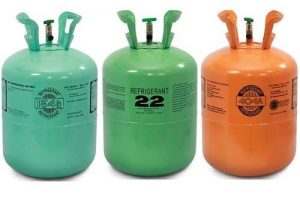
A refrigerant is anything we use to move heat from one place to another using the compression refrigeration circuit. However, the history of refrigerants and the different kinds is quite diverse and interesting. Have you ever noticed how your skin feels cool after you apply some rubbing alcohol to it? For a long time, scientists […]
Read more

This article about A2L refrigerants was written by Don Gillis with Chemours. Thanks, Don! HVACR service technicians find themselves at the forefront of the refrigerant transition in AC and commercial refrigeration. As hydrofluorocarbon (HFC) refrigerants with high-global warming potential (GWP) are being phased down, mildly flammable A2L refrigerants have been identified as potential lower-GWP alternatives. […]
Read more

First, here's a quick summary of the role of oil in the refrigerant circuit: The compressor requires oil for the lubrication of the moving parts in the compressor. We would keep 100% of the oil in the compressor if we could. However, that is generally unrealistic. So, we need to utilize oils and oil strategies […]
Read more
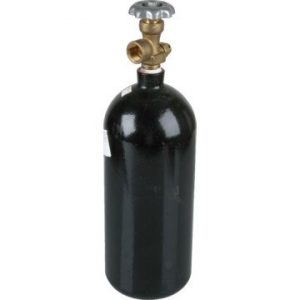
Flowing nitrogen while brazing and pressurizing with nitrogen are great practices. Putting nitrogen in with the refrigerant? Not so much. Nitrogen is a “non-condensable” gas because it cannot be condensed (under normal conditions). However, nitrogen is just one of the non-condensables. First, let's talk about what a non-condensable gas is. Any gas that does […]
Read more