
BACK
 Isolation Diagnosis
 Michael Faraday: Patron Saint of HVAC Technicians
 Blower Fan Watt Draw Considerations for ECMs
 Tool Selection: Electrical Meters
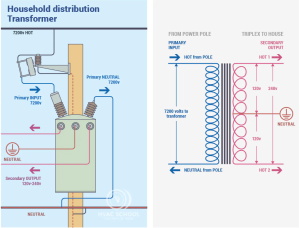 Understanding 240-Volt Circuits
 The Unexpected Result of Series Circuits
 Understanding Relays With the 90-340
 What is a GFI?
 What are Dry and Wet Contacts?
#electrical
Tech Tips:
There are many great diagnostic tools available to the service technician today, but I haven't found a tool as versatile as the simple isolation diagnosis. There are many ways this concept can be applied, but let's start with some examples so that you get what I mean. Low Voltage Short Circuit Isolation Diagnosis You arrive […]
Read more
Who was Michael Faraday—besides the guy we named the capacitor after? Well, actually, we named the measure of capacitance after him (the farad), but let’s not get all caught up in semantics. Faraday was a scientist who lived from 1791 to 1867. He was an experimental scientist who had little to no formal education but […]
Read more
I'd like to give special thanks to Steve Rogers from TEC for helping write this tech tip about ECM blower fan watt draw and sharing some helpful visuals. Thanks, Steve! ACCA Standard 310 introduced a grading protocol for HVAC systems. While HVAC practitioners won’t be the ones carrying out the tasks laid out in Standard […]
Read more
I'd like to give a special thanks to Tony Gonzalez from Fieldpiece for providing technical guidance about the SC680's power measurement capabilities, as well as VAC and AAC measurements on ECMs. You can learn more about the SC680 and other electrical meters on Fieldpiece's website. We’ve talked through specifications, applications, and features for a few […]
Read more
It can be useful to think of a multimeter as a “voltage drop” tool. Bryan covers the concept here in an excellent class that I highly recommend. This concept was a big help to me as I began to truly learn how to use a multimeter. A meter reads the voltage differential between two points. […]
Read more
When I teach electrical basics, we do this exercise where we sit down and connect a 10-watt bulb to a power supply and through a switch. It's a SUPER SIMPLE circuit—the kind you might have learned about in a high school science class. But then I grab another 10-watt bulb and tell them to connect […]
Read more
Relays can be used for many different control applications, including controlling fans, blowers, other relays, or contactors, valves, dampers, pumps, and much more. A 90-340 is a very common, versatile relay that many techs have on their truck. So, we will use it as an example. A relay is just a remotely controlled switch that […]
Read more
First off, the correct acronym for a GFI (ground fault interrupter) is “GFCI” (ground fault circuit interrupter). The purpose is to act as a safety device to protect from electrical shock. GFCIs are important components of electrical safety. GFCIs can be built into outlets, circuit breakers, and even extension cords. We generally use them for […]
Read more
I was talking about dry contacts with one of my techs, and he looked at me like I had three heads—and one of them was on fire. So, I figured it would be good to cover the difference between wet and dry contacts in a tech tip. Basically, “dry” contacts are switches with no shared […]
Read more